
A prize digital services market entering a new phase of activity
For many businesses operating in mobile content and payments, Saudi Arabia has long been one of the Middle East’s prize markets.
Its combination of extensive mobile connectivity, high internet use, substantial consumer spending and a digitally engaged population makes it an attractive market for advertisers content providers and merchants.
However, its development has not followed a straight line.
Concerns around auto-subscription, misleading customer journeys and payment fraud have previously brought closer scrutiny to the Saudi mobile content market. At the same time, regulatory requirements have strengthened expectations around consent, pricing information, billing and the protection of user rights.
Against this background, parts of the market became more cautious. Services and billing journeys were reviewed, activity reduced in some areas and propositions had to demonstrate that they could deliver commercial value without compromising customer trust.
There are now signs that activity is beginning to build again.
Recent market intelligence gathered by MCP indicates that Mobily has started scaling activity following a quieter period over the previous three months. Some content propositions are returning to the market, while technical work continues to strengthen the journeys supporting them.
At STC, DCB activity continues to perform strongly despite the introduction of recent billing requirements.
PSMS activity, by comparison, remains relatively limited. Current market feedback suggests that the latest changes are focused more on billing presentation and disclaimer information than on a fundamental change to the regulatory environment.
This does not mean the market is simply returning to how it operated before. The emerging opportunity is taking shape in a more closely governed environment, where the quality of the customer journey matters alongside reach and conversion.
A highly connected digital economy
Saudi Arabia’s digital transformation is closely connected to the ambitions of Vision 2030, which includes developing the digital economy and creating a stronger environment for investment and innovation.
The country’s Communications, Space and Technology Commission reported that internet penetration reached 99% in 2024, with 5G coverage reaching 58%. More recent CST figures show that mobile subscriptions were equivalent to 212% of the population and that average monthly mobile data consumption was three times the global average.
These figures describe a market in which consumers are highly connected and accustomed to using their mobile devices throughout their daily lives. For content providers and their commercial partners, the opportunity extends across streaming, gaming, sports, information, education, lifestyle content and other subscription services.
The scale of Saudi Arabia’s wider communications and technology sector reinforces that potential. CST valued the sector at SAR 180 billion in 2024, reflecting the importance of connectivity and technology to the country’s economic development.
Sources: CST Saudi Internet Report 2024, CST 2025 ICT Development Index announcement and CST ICT Indicators Forum 2025.
A diverse digital services ecosystem
The Saudi mobile market is served by major carriers including STC, Mobily and Zain KSA, alongside a wider ecosystem of aggregators, media agencies, content providers and technology partners.
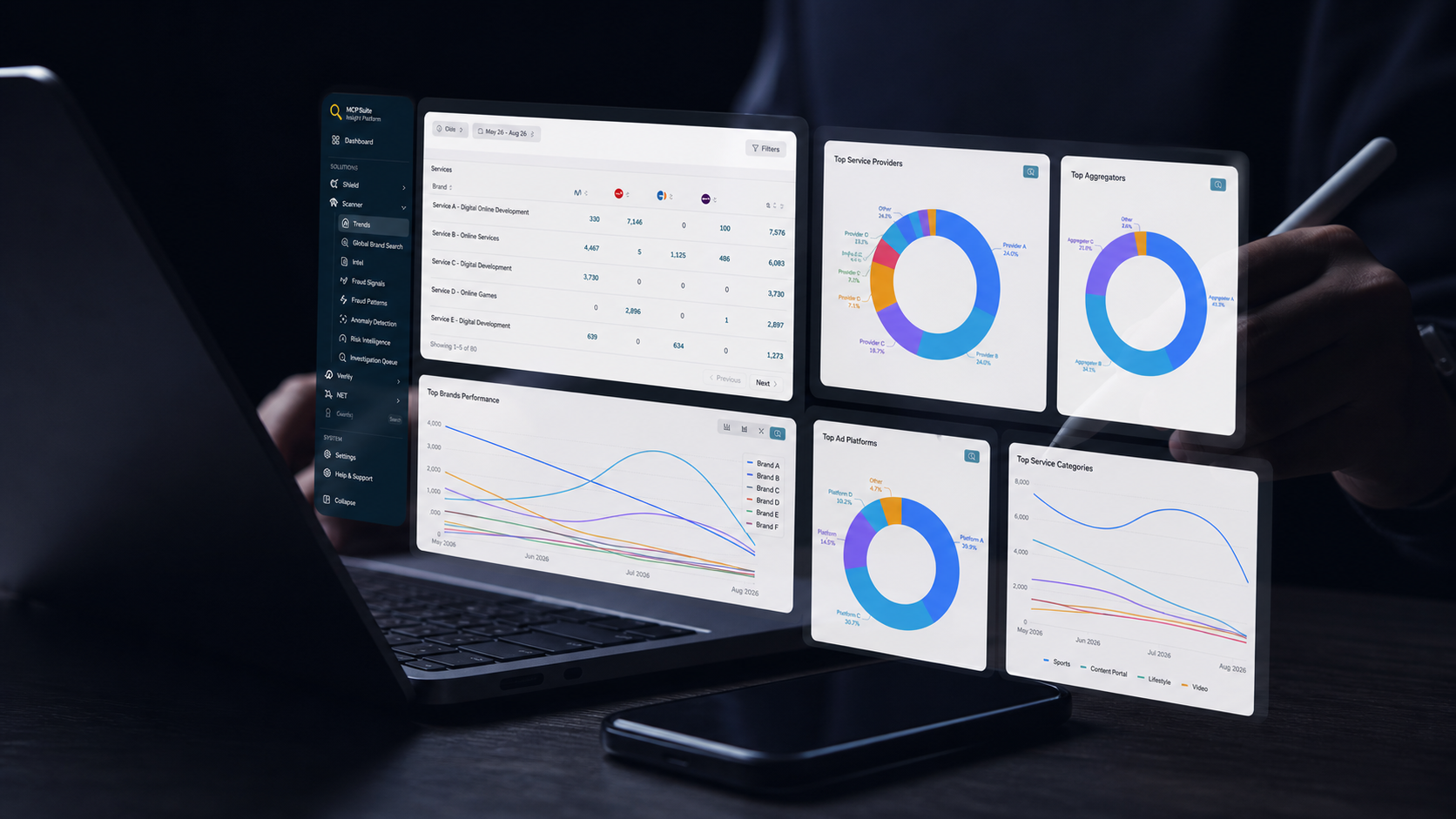
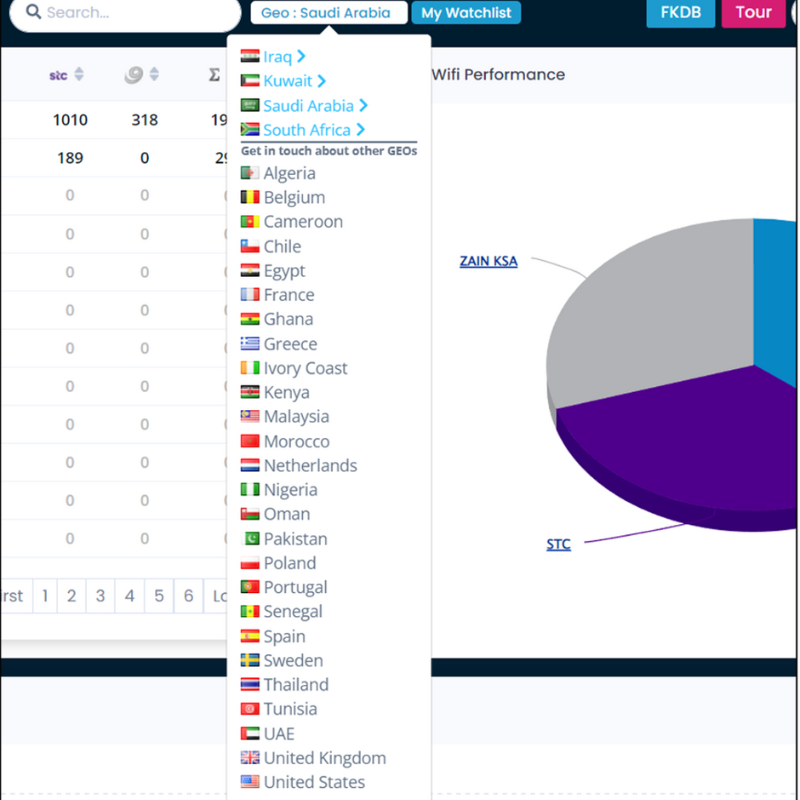
MCP’s preliminary market snapshot for July to September 2026 recorded digital service advertising and customer journeys across all three carriers.
Within the monitored traffic, mixed content portals represented the largest service category. Sports, books, lifestyle and video services were also prominent. This points to a diverse content environment rather than an opportunity concentrated in a single type of service.
The advertising activity visible to MCP was not distributed evenly across the three carriers. Mobily accounted for the largest share of monitored advertising traffic during the period, followed by STC and Zain KSA.
This should not be interpreted as a complete measure of the Saudi market or of each carrier’s overall commercial position. It is an evidence-based view of the advertising activity encountered within the networks and traffic sources monitored by MCP Insight.
From market reach to customer acquisition
For media agencies and content providers, reaching a large mobile audience is only one part of the commercial challenge.
The way a service is presented can influence acquisition, conversion and longer-term customer trust. The advertisement, landing page, pricing information, consent process, billing disclaimers and subscription confirmation all contribute to the customer’s experience.
An offer may appear straightforward at campaign level while producing a more complicated journey in practice. Differences in carrier configuration, traffic source, billing flow or promotional wording can affect how customers understand and complete a subscription.
This becomes particularly important when a market is scaling again following a period of closer scrutiny. New and returning propositions need to meet commercial objectives while operating within current carrier and regulatory requirements.
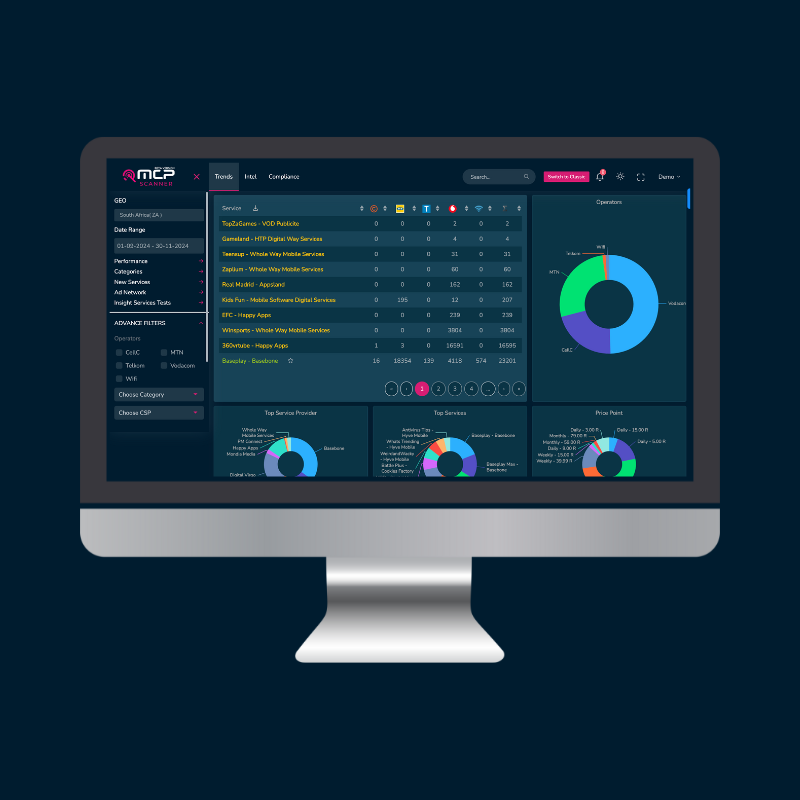
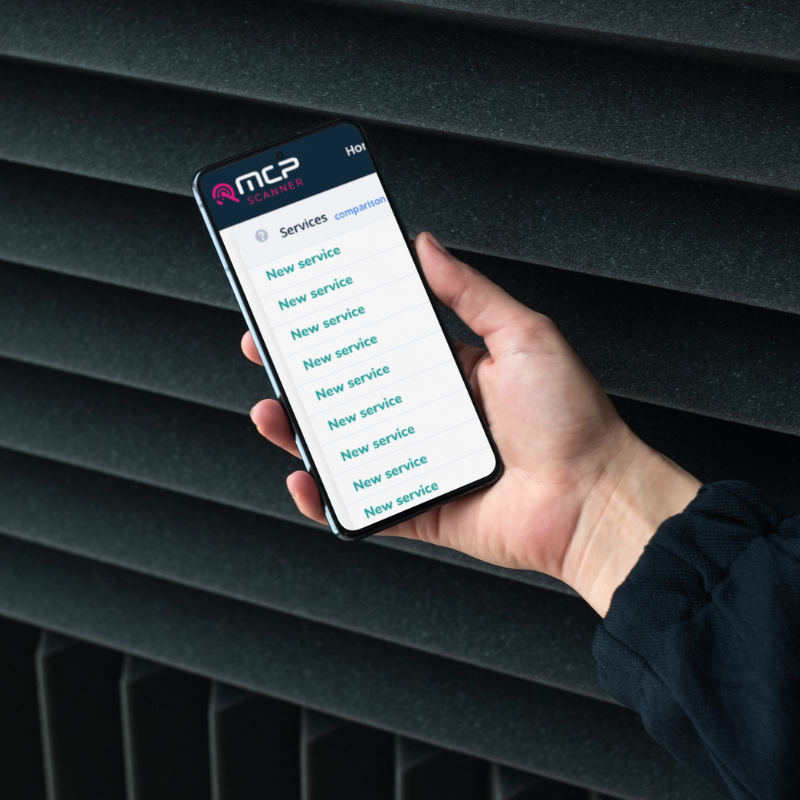
MCP helps make these journeys visible by monitoring digital service advertising and following the customer experience from the initial promotion through to the payment and subscription stages.
This gives stakeholders a clearer view of what consumers are encountering, rather than relying solely on campaign plans, aggregated performance figures or assumptions about how a service should behave.
Payments in a rapidly digitising market
Saudi Arabia’s wider payments environment is developing quickly. The Saudi Central Bank reported that electronic payments accounted for 85% of retail payments in 2025, up from 79% in 2024.
This broader shift towards digital payments does not remove the relevance of carrier billing. Direct Carrier Billing can still provide a convenient route to paid content by allowing customers to charge a purchase or subscription to their mobile account.
Within MCP’s July–September monitored activity, DCB dominated the payment activity recorded. MSISDN plus PIN was the billing flow captured across the monitored carriers, while the snapshot did not identify PSMS billing activity.
This is broadly consistent with current market feedback that DCB remains commercially active, while PSMS activity – particularly at STC – is comparatively low.
Source: Saudi Central Bank electronic payments announcement.
Opportunity in a more closely governed market
Saudi Arabia’s renewed activity creates opportunities across the digital services value chain, but success will not depend on market reach alone.
CST’s regulatory framework places importance on transparency, user consent, service quality and the protection of customer rights. Its guidance makes clear that services should not continue charging customers after a trial period without their express consent, while pricing, service conditions and billing information should be communicated clearly.
Previous industry analysis has also highlighted the damage that auto-subscription and fraudulent activity can cause to customer confidence. These concerns help explain why carriers and commercial partners are paying closer attention to acquisition sources and the complete customer journey, although they should not be presented as the confirmed cause of every change in market activity.
For content providers, this means understanding how services are presented and experienced once they enter the market.
For media agencies, it means looking beyond initial reach and conversion to consider the quality and consistency of the traffic and journeys being generated.
For aggregators, it means maintaining visibility across multiple services, providers and carrier relationships.
For carriers, it means enabling responsible commercial growth while maintaining effective oversight, compliance and customer care.
Independent market intelligence can help each participant identify patterns, investigate potential issues and make better-informed decisions.
Sources: CST telecommunications user guidance and industry analysis of mobile content fraud.
A clearer view of the Saudi market
Saudi Arabia remains an important market for digital services and mobile payments. The combination of scale, connectivity and signs of renewed commercial activity makes it particularly relevant for businesses looking for growth across the Middle East.
But the opportunity is not simply to re-enter or increase activity. It is to build sustainable services and acquisition models that work within a market where customer experience, consent and transparency are increasingly important.
Headline figures cannot show which services are most visible, how individual campaigns are being delivered or what consumers experience when they respond.
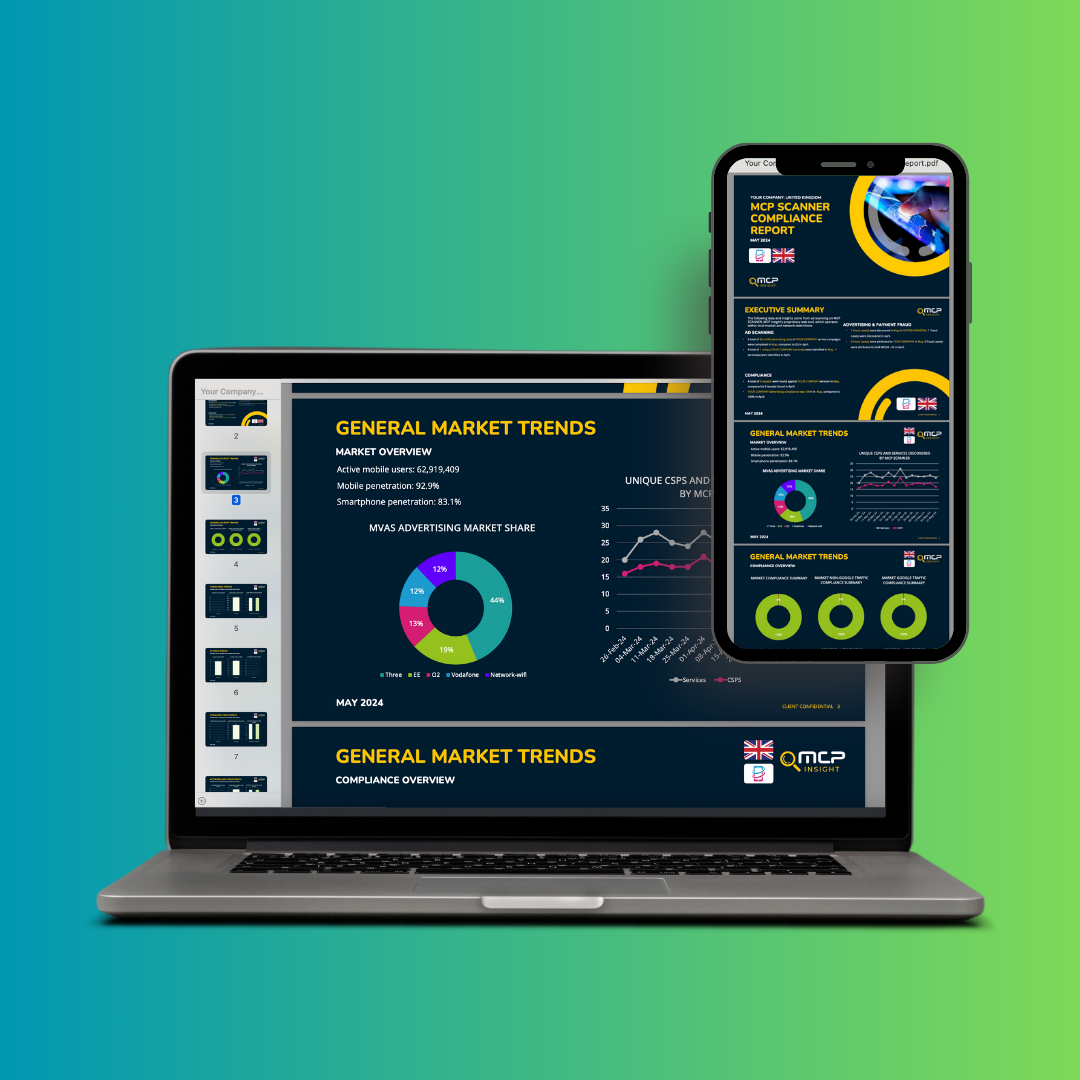
MCP’s Saudi Arabia Market Focus report combines current market context with MCP market intelligence data from August to October 2026.
It explores:
- advertising activity across the monitored traffic
- active services and content categories
- payment methods and billing flows
- daily, weekly and monthly price points
- compliance patterns and issues identified during service assessment
The report is designed to give media agencies, content providers, aggregators and carriers a clearer view of the activity visible within this important market.
Request the Saudi Arabia Market Focus report.
MCP Scanner data reflects activity observed across the monitored mobile networks and traffic sources during the stated period. It should not be interpreted as a complete record of every service, provider or campaign operating in Saudi Arabia.