
New Proximus Payment Flow Sees 90% Reduction in Advertising

Effective 13th of May, the carrier Proximus Belgium introduced new requirements for its Direct Carrier Billing (DCB) payment flow.

The Proximus official statement (released end of March 2022), stated that the old ‘click flow’ was “..a frequent source of end-customer complaints and a source of questioning by journalists, both posing a risk to Proximus’s reputation”. The statement added, “the Belgian FPS Economy department opened an enquiry having received a high number of end-customer complaints related to Direct Carrier Billing Services that resulted in a Pro Justitia, containing multiple infringements of the Belgian Economic Law Code, related to unfair commercial practice and misleading omission”.

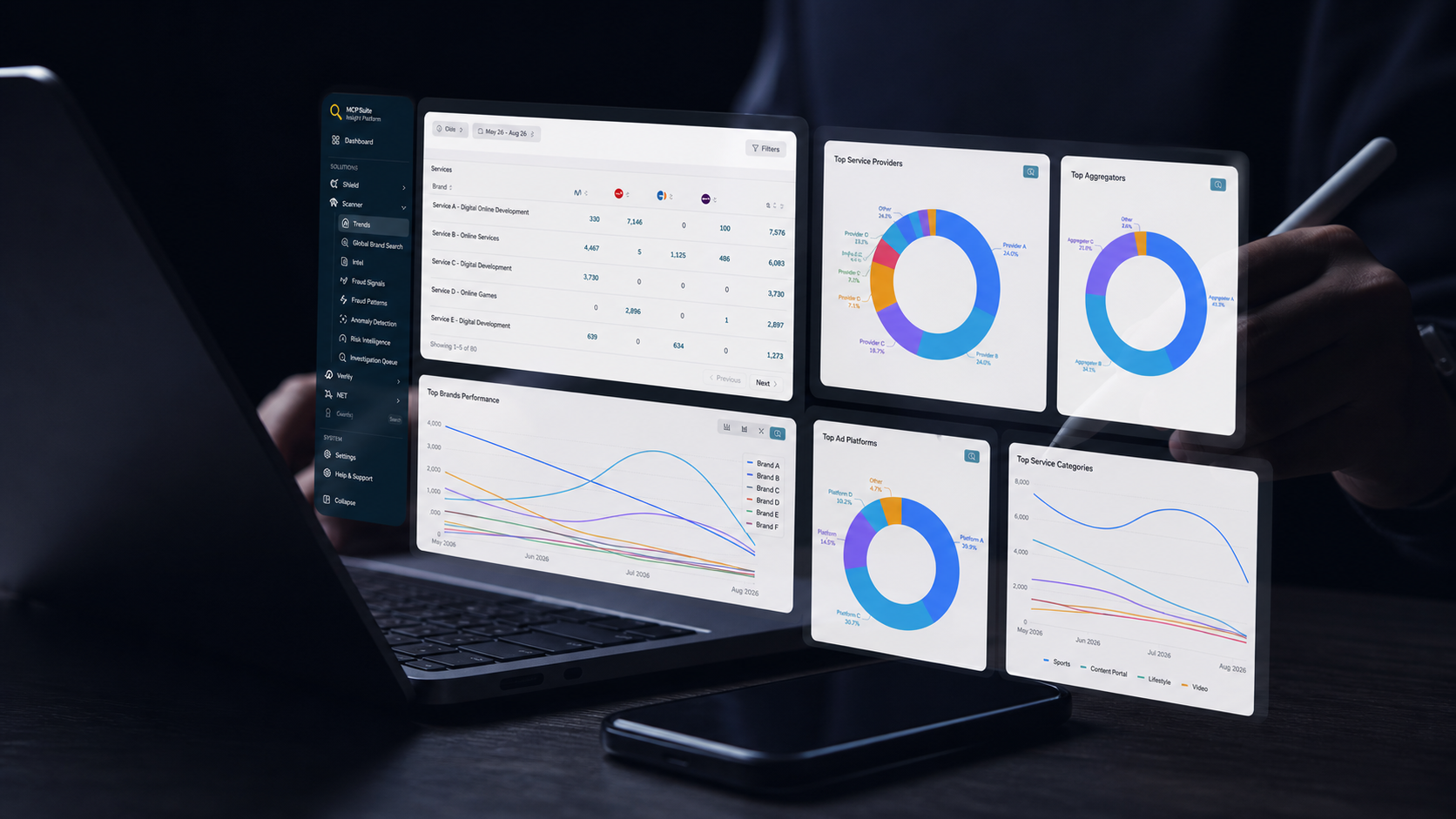
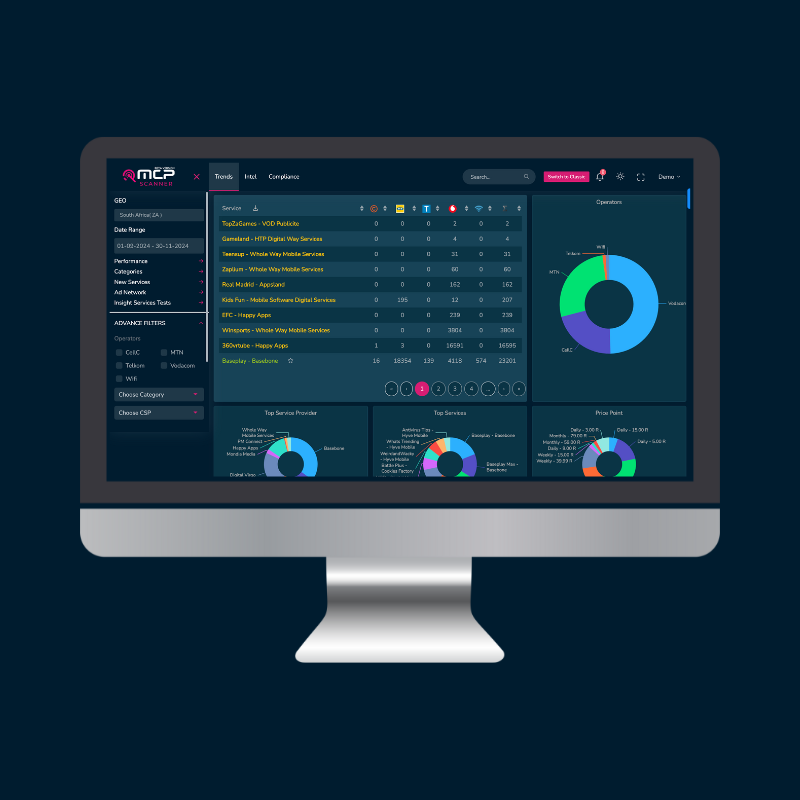
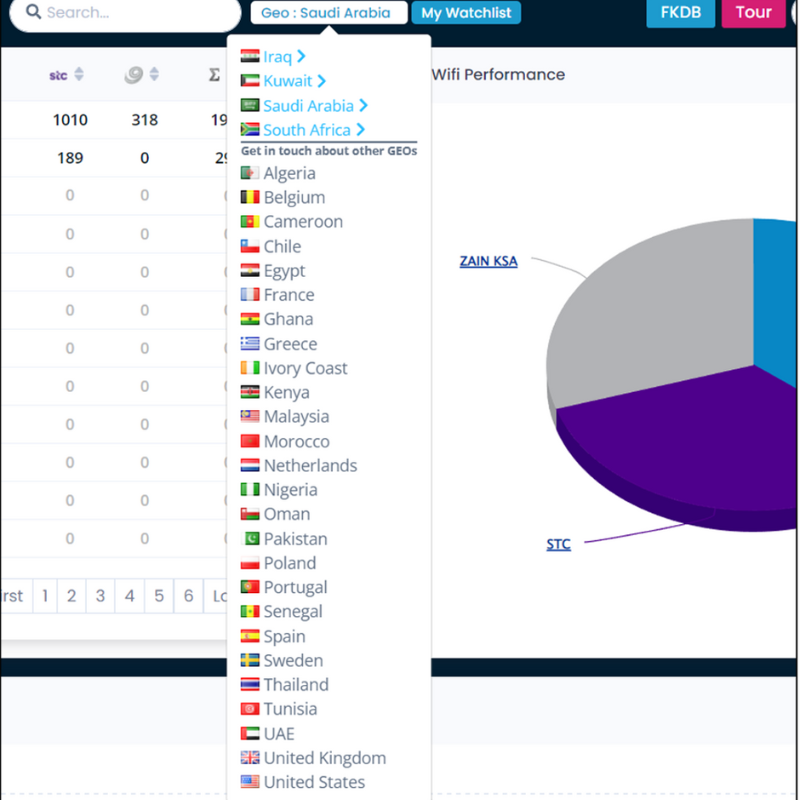
The following graph from our intel tool MCP Scanner (advertising monitoring) shows the impact that these changes had on Proximus advertising traffic. Starting from the 1st of May, 13 days before the deadline, until the 25th, 13 days after the deadline.

Proximus introduced the following DCB payment flow changes:

  1. Add an ‘age verification’ opt-in on the landing page
  2. Add an opt-in regarding the sharing of personal data on the payment page
  3. Add an EXIT CTA button on the payment page
  4. Relabel the CTA button on the payment page from “Confirm Subscription” to “Confirm Payment”

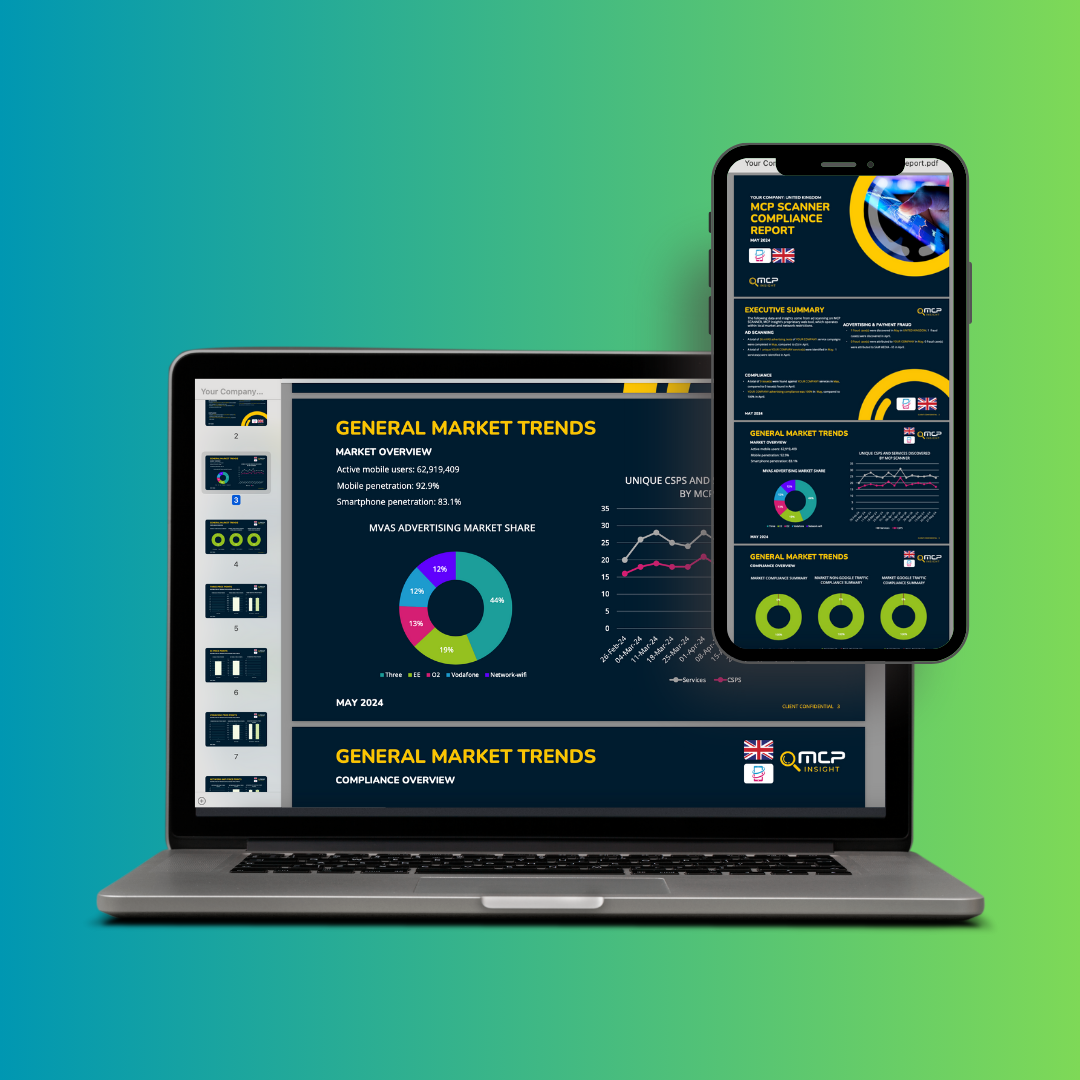
If you want to know more about Belgium and the other markets contact us to have a look at our VAS market intel tool MCP TRENDS.


related posts

Why Pakistan’s Consent Directive Signals a New Era of Verifiable Mobile Services

PTA’s recent clarification on explicit prior consent for Value-Added Services marks an important step in the continued evolution of Pakistan’s mobile ecosystem. Consumer protection and sustainable operator revenue are not opposing objectives. They depend on each other. The practical question now facing the industry is not whether consent should be obtained, but how it can be clearly evidenced when disputes arise. As markets mature, the shift moves from policy to proof. Verifiable, structured consent recording is increasingly becoming part of the governance infrastructure that supports long-term stability across the value chain.


Germany’s mVAS and Mobile Payments Market: Why Discipline Is Creating the Next Opportunity

Germany’s mVAS and mobile payments market is often described as complex, heavily regulated, and difficult to enter. In reality, it has been deliberately reshaped. What looks restrictive from the outside is, in fact, a market that chose sustainability over short-term volume. For CSPs willing to operate with transparency, differentiation, and genuine consumer value, Germany is no longer a closed door. It is a proving ground for services built to last.

Self-Regulation in Mobile Payments: Why the Smartest Players Think Beyond Conversions 

Self-regulation is often seen as friction or self-imposed limitation. But in mobile payments markets facing growing scrutiny, it may be one of the few levers left to protect long-term growth. This article explores why thinking beyond conversions isn’t idealism, it’s market survival.