


Real-time detection of fraudulent payment transactions
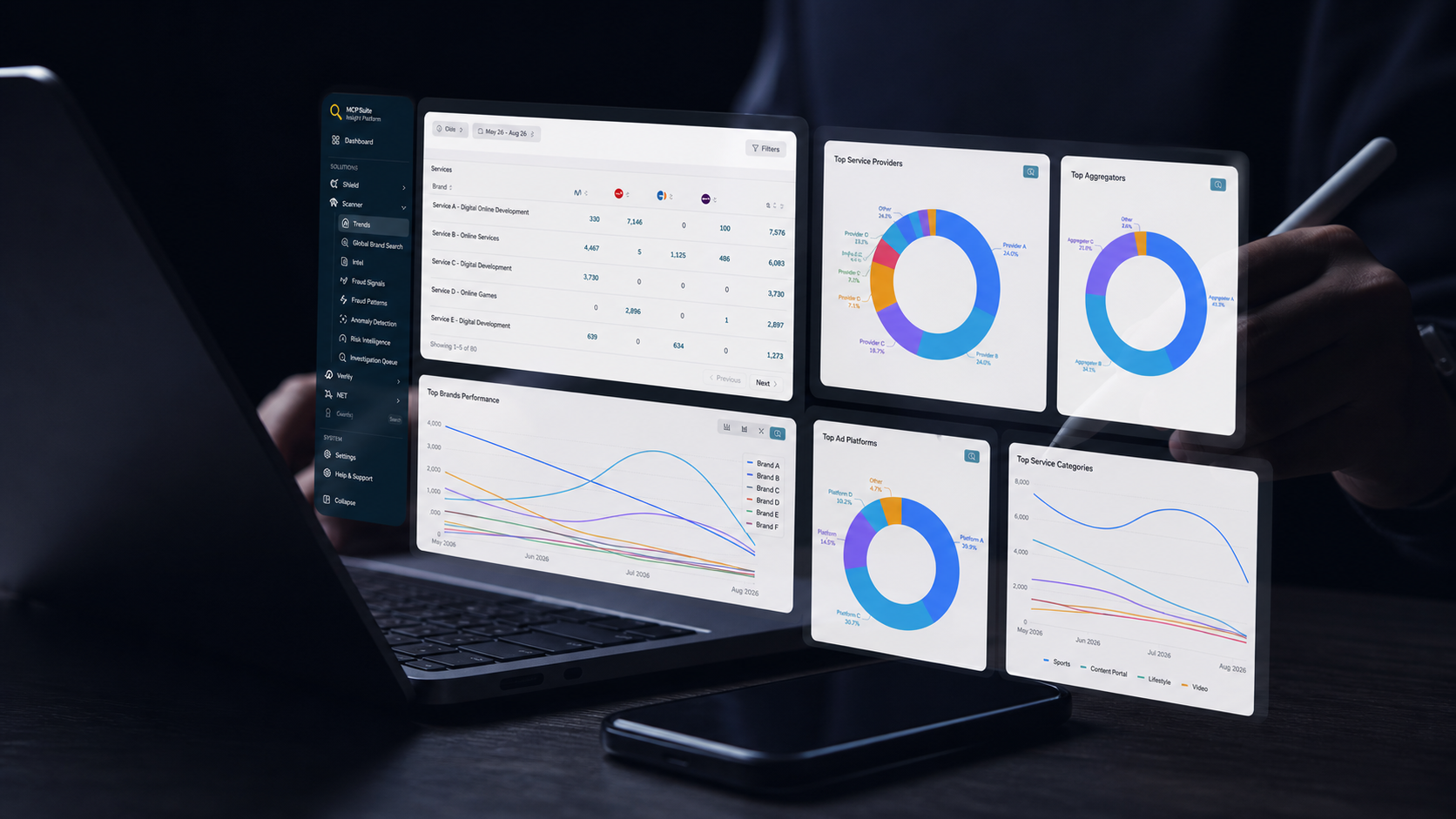
Utilising cutting-edge technology – AI, machine learning and fraud intelligence – MCP SHIELD works in real-time to detect and enable the blocking of fraudulent payment transactions from malicious and suspicious traffic sources.
With an intuitive analytics portal and a simple implementation process, MCP SHIELD detects unexpected changes and actions on your service landing or payment page. It determines whether a payment request is legitimate or fraudulent by monitoring the activity of the alleged consumer and by logging whether the consent is bot or human in a transaction assessment.
Duel mode
Advise or block
OTP option
Fraudulent PIN entry detection
Real-time reasons
200 parameters with over 60 frequently spoofed
Fraud stopped in real-time
Little requirement to unsubscribe AFTER the event
Grading of fraud
Fraud 'groupings'
Over 250 common reasons detected
Real-time alarms
For new groupings
Split analysis
For APK traffic - spoofing, hiding
MCP SHIELD helps you
- Grow revenue securely
- Protect brand and increase customers satisfaction (NPS score)
- Reduce complaints and customer service and refund costs
- Increase conversion rates and clear affiliate traffic
- Ensure regulatory responsibilities are met
- Billions of mobile customers protected every day
HOW MCP SHIELD WORKS
latest insight from mcp
Why Pakistan’s Consent Directive Signals a New Era of Verifiable Mobile Services
PTA’s recent clarification on explicit prior consent for Value-Added Services marks an important step in the continued evolution of Pakistan’s mobile ecosystem. Consumer protection and sustainable operator revenue are not opposing objectives. They depend on each other. The practical question now facing the industry is not whether consent should be obtained, but how it can be clearly evidenced when disputes arise. As markets mature, the shift moves from policy to proof. Verifiable, structured consent recording is increasingly becoming part of the governance infrastructure that supports long-term stability across the value chain.
Read more...