
The mobile payments ecosystem has plenty of metrics. The difficulty is that they sit in different places.
An advertiser can see where a customer came from and how much the conversion cost. A service provider may know whether the customer stayed subscribed. A payment aggregator can see what happened within the payment flow. A Carrier may receive the complaint or refund request.
Each participant sees something important. Few see the entire journey.
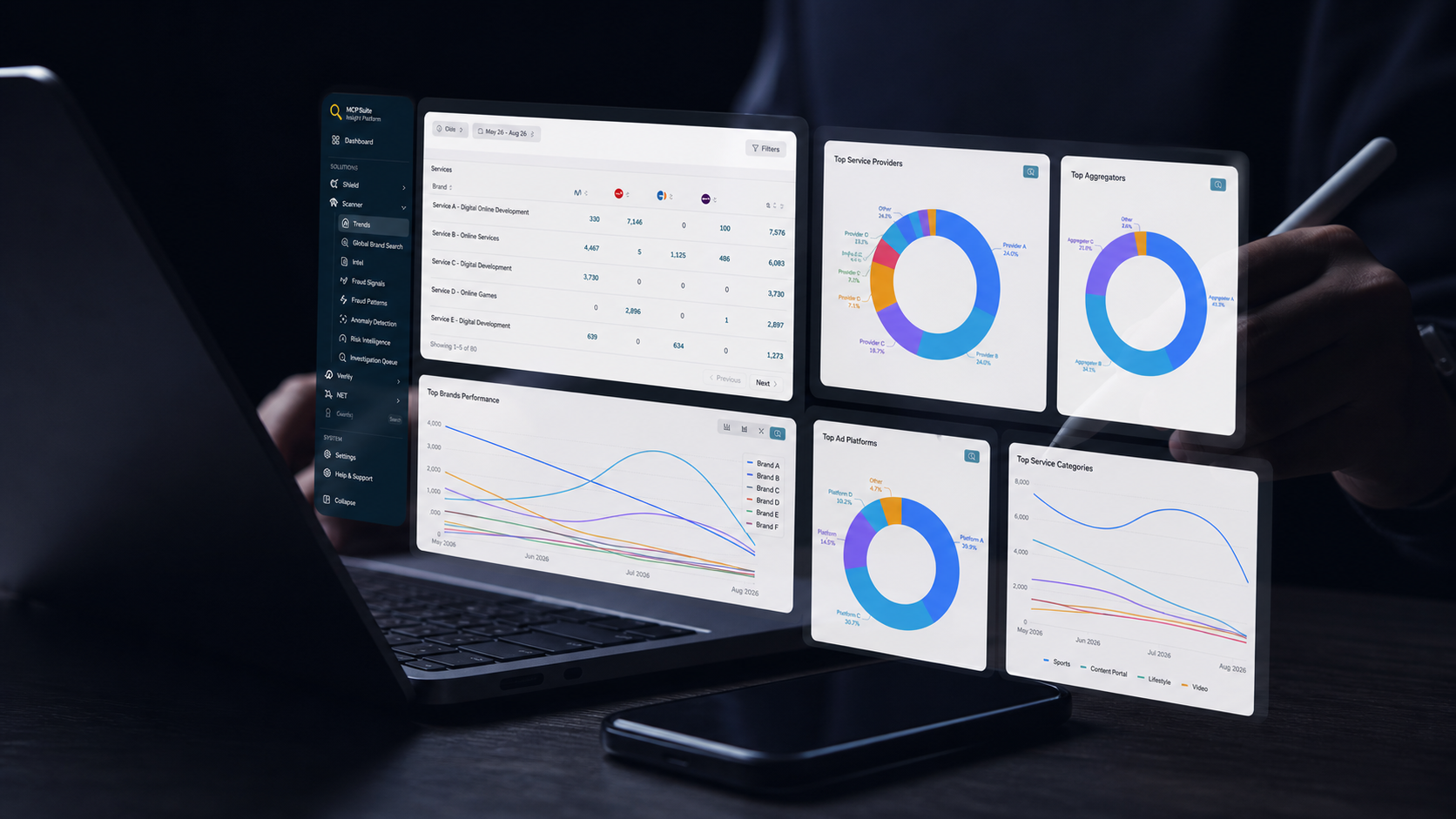
This can create very different interpretations of the same traffic. A campaign may look efficient to the team acquiring customers while creating additional work, risk or cost elsewhere in the value chain.
Improving customer quality therefore requires more than adding another metric to an advertising report. It requires a shared understanding of what good looks like and a practical way to connect the evidence held by different participants.
What Does a Valuable Customer Look Like?
There is no single measure of customer value that will work for every service, market or business model.
A valuable customer is not simply someone who completes the payment journey. The conversion should also be:
- Genuine rather than automated or manipulated
- Based on a clear and accurate customer journey
- Supported by valid consent
- Successfully billed
- Consistent with the customer’s expectations
- Unlikely to result in an avoidable complaint, refund or dispute
- Not a bot or malicious activity
- Capable of generating sustainable commercial value
This doesn’t make acquisition efficiency irrelevant. CPA, conversion rate, volume and billing success remain important. They become more useful when viewed alongside evidence from the rest of the customer lifecycle.
The Evidence is Distributed Across the Value Chain
The information needed to understand customer quality is rarely owned by one organisation.
Advertisers and media agencies
Campaign teams understand the source of the traffic. They can identify the campaign, creative, publisher, application, keyword or placement associated with a conversion.
This helps answer:
- Where did the customer come from?
- Which advert or placement generated the response?
- What did the acquisition cost?
- Which audiences and creative approaches appear to perform best?
However, the advertising platform may not show what happened later in the journey.
Content Service Providers and merchants
The service provider can see whether the customer accessed the service, remained subscribed or generated ongoing revenue.
It will also receive customer-care enquiries or cancellation requests.
This helps answer:
- Did the customer engage with the service?
- Did the customer remain active?
- Was the customer’s commercial value consistent with the acquisition cost?
- Did particular campaigns produce more complaints or cancellations?
Payment aggregators
Aggregators have an important view of the payment journey and the activity taking place across their merchant portfolio.
Depending on their role and systems, they may be able to see:
- Whether the payment flow completed successfully
- Which service and merchant initiated the transaction
- Technical or behavioural patterns within the journey
- Recurring issues across particular partners or services
- High risk traffic generating fraudulent activity
- Whether approved payment journeys remain consistent
Mobile Carriers
Carriers may see the effect of the transaction on the customer and the wider market.
They may hold information about:
- Billing success
- Refunds and adjustments
- Customer contacts and complaints
- Unrecognised transactions
- Patterns associated with particular services, partners or routes
- The broader effect on customer trust and brand reputation
The Carrier may therefore see a customer-quality problem that is almost invisible to the original advertiser.
The Customer Journey Connects These Different Views
The customer journey provides the common thread.
It connects the advert that attracted the customer, the landing page that explained the service, the mechanism used to establish consent, the payment transaction and the customer’s later experience.
Looking at these elements together can reveal relationships that individual reports miss.
For example:
- One placement may deliver a low CPA but an unusually high complaint rate.
- A landing page may generate strong conversion but set expectations that the service does not fulfil.
- Traffic may appear legitimate at campaign level but contain suspicious interaction patterns within the payment journey.
- A merchant may have received approval for one journey but subsequently changed an important element.
- A rise in complaints may be linked to one traffic source rather than the service as a whole.
These findings support more precise action. Instead of suspending an entire service or blocking a broad category of traffic, the relevant parties can investigate the specific source, journey or behaviour creating the problem.
A Practical Customer-Quality Framework
Businesses do not need to put every available data point into one enormous report.
A more practical starting point is to organise the evidence around six questions.
- Where did the customer come from?
Review the market, campaign, advert, publisher, placement, application or affiliate associated with the transaction.
This establishes the acquisition context and allows later outcomes to be traced back to their source.
- What did the customer see?
Review the advert, landing pages, pricing, service description, terms and calls to action presented during the journey.
This helps determine whether the customer received clear and consistent information before proceeding.
- How did the customer behave?
Examine how the customer interacted with the payment page and whether the activity displayed characteristics associated with a genuine person or suspicious automation.
This may identify bots, malicious applications, manipulated interactions or other activity requiring investigation.
- Can the transaction and consent be evidenced?
Retain independent, time-stamped evidence of the journey and the customer’s consent where appropriate.
This creates a clearer basis for responding to complaints, disputes, compliance enquiries and partner questions.
- What happened after the conversion?
Connect the acquisition with billing, service usage, cancellation, customer-care, refund and complaint outcomes.
This is where an apparently successful conversion can begin to look very different.
- What action should follow?
Use the combined evidence to decide whether to:
- Continue or increase investment
- Monitor an emerging pattern
- Investigate a particular source or journey
- Correct an advertising or landing-page issue
- Restrict or block suspicious traffic
- Ask a partner to take remedial action
- Change a campaign, rule or approval process
The objective is not to eliminate every possible risk. It is to make proportionate decisions using a fuller view of the commercial and customer outcome.
From Shared Data to Shared Decisions
A connected approach does not mean that every organisation must hand over all its raw data.
Commercial sensitivity, data protection, security and contractual responsibilities still matter.
The practical goal is to establish enough common evidence to answer the important questions. That may involve shared identifiers, agreed reporting categories, independent verification or structured escalation between partners.
Several foundations can make this easier:
Consistent definitions
Agree what is meant by a complaint, cancellation, refund, successful billing event, suspicious transaction and retained customer.
Without common definitions, organisations may appear to be discussing the same measure while counting different things.
Traceable sources
Maintain enough information to connect an outcome with the relevant service, journey, market, campaign or traffic source.
The level of detail should be proportionate and should not require unnecessary sharing of personal data.
Regular review
Do not wait for complaint volumes to become severe before comparing the evidence.
A regular review can identify changes in traffic quality, customer behaviour or partner performance while there is still an opportunity to take targeted action.
Clear ownership
Agree who investigates a finding, who contacts the relevant partner and who confirms that corrective action has been completed.
Visibility without ownership can produce more reporting without improving the outcome.
A feedback loop
Return post-conversion findings to the teams making acquisition and service decisions.
If campaign teams never see complaint, refund or retention patterns, they cannot use them to improve future investment.
Different Parts of the Value Chain Benefit in Different Ways
For advertisers, agencies and Content Service Providers, a broader view supports better investment decisions. It helps distinguish cheap conversions from traffic capable of generating legitimate, sustainable revenue.
For payment aggregators, it provides greater oversight across merchants and payment flows. It can help identify where intervention is needed while protecting important Carrier relationships.
For Carriers, it creates a clearer view of the services and partners using their network. This supports more targeted action, reduces pressure on lean operational teams and helps protect consumers, revenue and brand reputation.
The incentives may differ, but the underlying interest is shared: customer journeys that are transparent, legitimate and commercially sustainable.
A Clearer View of Sustainable Growth
The industry’s challenge is not simply to acquire more customers. It is to acquire customers through journeys that protect consumer choice, support trusted commercial relationships and generate sustainable value.
No participant can fully assess that outcome from its own data alone.
A clearer view emerges when acquisition activity, customer journeys, payment behaviour, independent evidence and post-conversion outcomes are considered together.
That shared view helps every participant make better decisions about where to invest, what to investigate and when to act.
What question are you trying to answer about your markets, traffic or customer journeys?
Talk to MCP about connecting the evidence needed to investigate it.