
Southeast Asia’s mobile markets have long been ripe with opportunity – and the Malaysia mVAS market is no exception. With smartphone adoption on the rise, a high prepaid user base, and steadily growing demand for digital content, Malaysia’s mobile landscape presents an exciting growth market for Content Service Providers (CSPs) ready to scale.
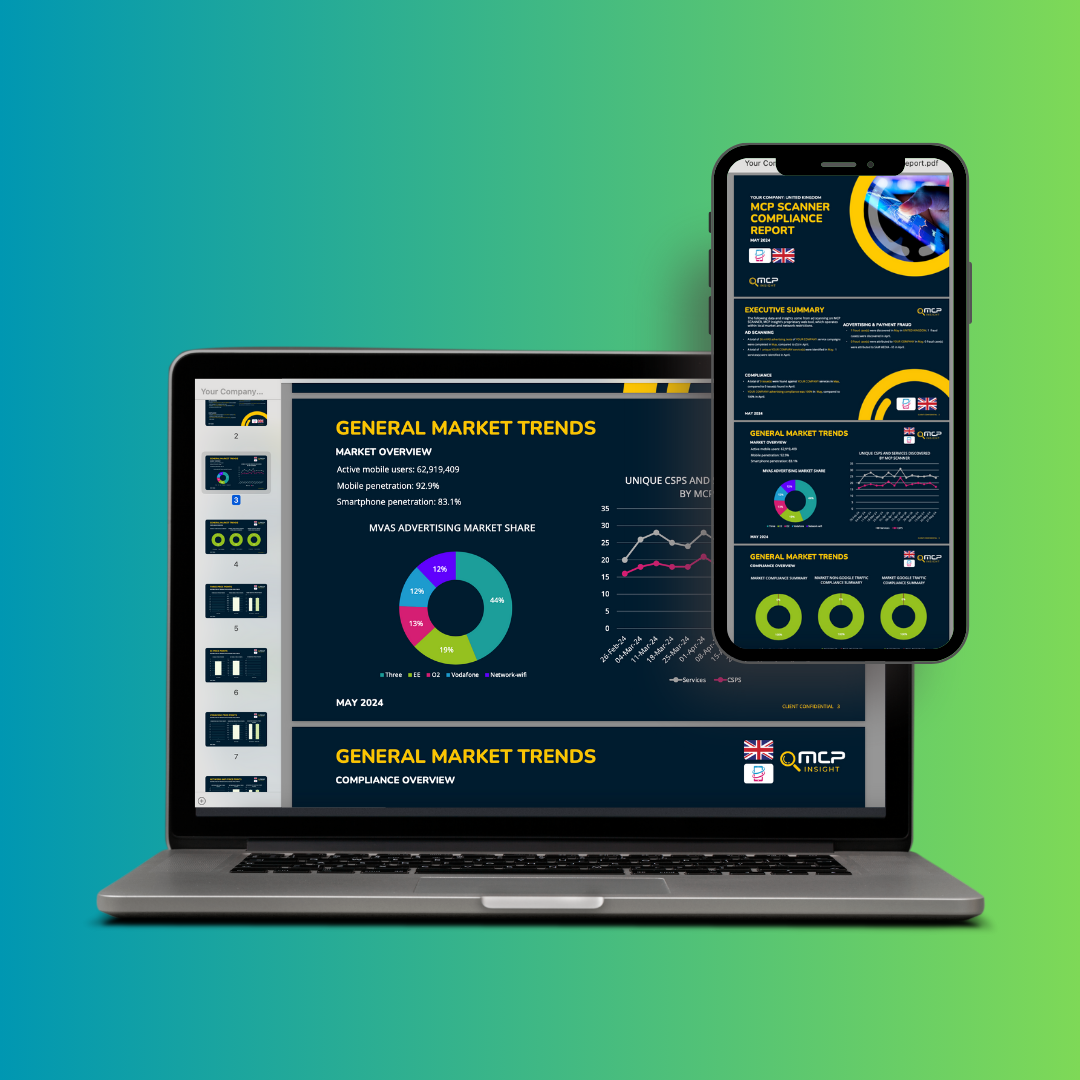
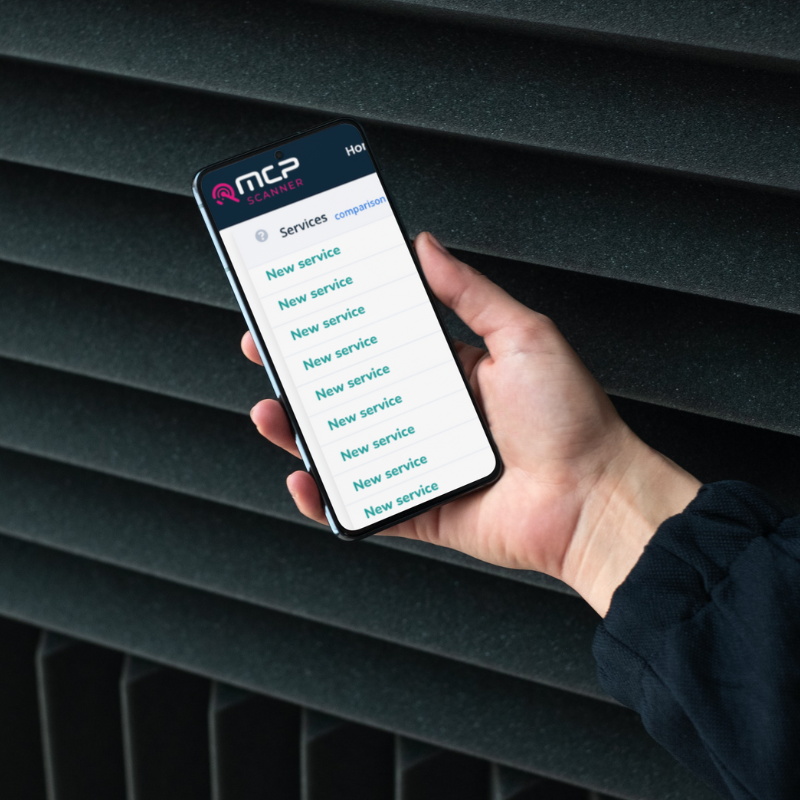
At MCP Insight, we’ve been tracking the mobile value-added services (mVAS) and Direct Carrier Billing (DCB) space in Malaysia through our MCP SCANNER platform. What we’re seeing is a market that’s stable, compliant, and increasingly competitive – with the right ingredients for CSPs to succeed.
The Malaysia mVAS Market: A Market Built on Mobile
Malaysia is home to over 27.6 million active mobile users, with mobile penetration topping 80%. Smartphone usage is widespread, and Android remains the dominant platform, used by over 15 million people. With prepaid plans still the norm, DCB and Premium SMS (PSMS) have emerged as critical payment methods – especially for entertainment, games, learning platforms, and lifestyle services.
The country’s regulatory framework, overseen by the Malaysian Communications and Multimedia Commission (MCMC), provides clear guidance on billing transparency and user protection. For CSPs, this translates into a more predictable operating environment where compliant service journeys are the norm, not the exception.
A Clean and Compliant Environment
Over the past quarter, 99.9% of mVAS advertising traffic in Malaysia has been compliant. That’s not a typo – it reflects the market’s maturity and the effectiveness of current flows and consent mechanisms.
All telecom operators mandate the use of the MO (Mobile Originated) flow, enforcing double-confirmation billing flows to protect consumers. The most common flows include:
- MSISDN + PIN (58.7% market share)
- MO Click-to-SMS (37.8%)
- 2-Click and 1-Click + PIN flows in select cases
CSPs with strong compliance track records may gain access to the more seamless PIN-based flows via operators like Maxis and Digi. This flow provides a smoother user experience and can significantly boost conversions – but access is typically restricted to trusted partners.
Operator Dynamics: Focus on Maxis and U Mobile
In terms of mVAS advertising traffic share, the market is highly concentrated:
- Maxis Hotlink leads with 62.7%
- U Mobile follows with 34.9%
- Digi and Celcom together account for less than 3%
This concentration simplifies go-to-market planning, allowing CSPs to focus on two core MNO integrations. Maxis tends to favour PSMS Click-to-SMS flows, while U Mobile leads in DCB transactions, particularly among younger, data-savvy users in urban areas.
Content That Converts: What’s Trending in Malaysia
The Malaysia mVAS market is content-rich, with new services entering regularly. MCP data shows the most active categories are:
- Video (38.7% of all service ads)
- Mixed Content Portals (30.8%)
- Games (7.6%)
- Mobile Personalisation (5.8%)
Newer formats like VR and immersive video services are beginning to show traction. Localisation is also key – services tailored for Bahasa Malaysia users often outperform more generic global content.
Pricing Models and Monetisation
Weekly price points are common across most operators, with typical tiers ranging between RM 3.00–6.00.Some providers, especially on Maxis, also offer monthly options at RM 30.00, targeting more premium or bundled content models.
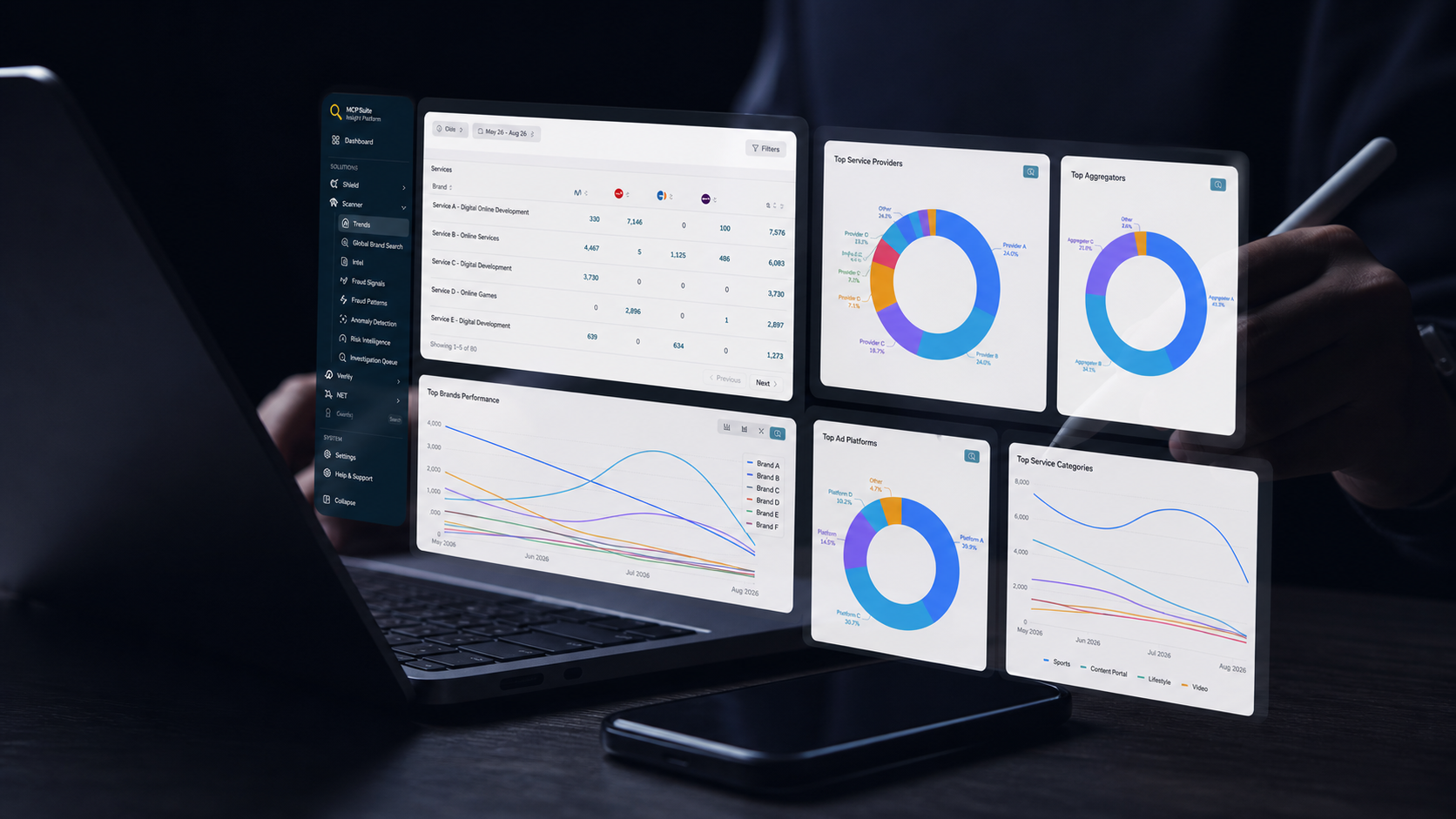
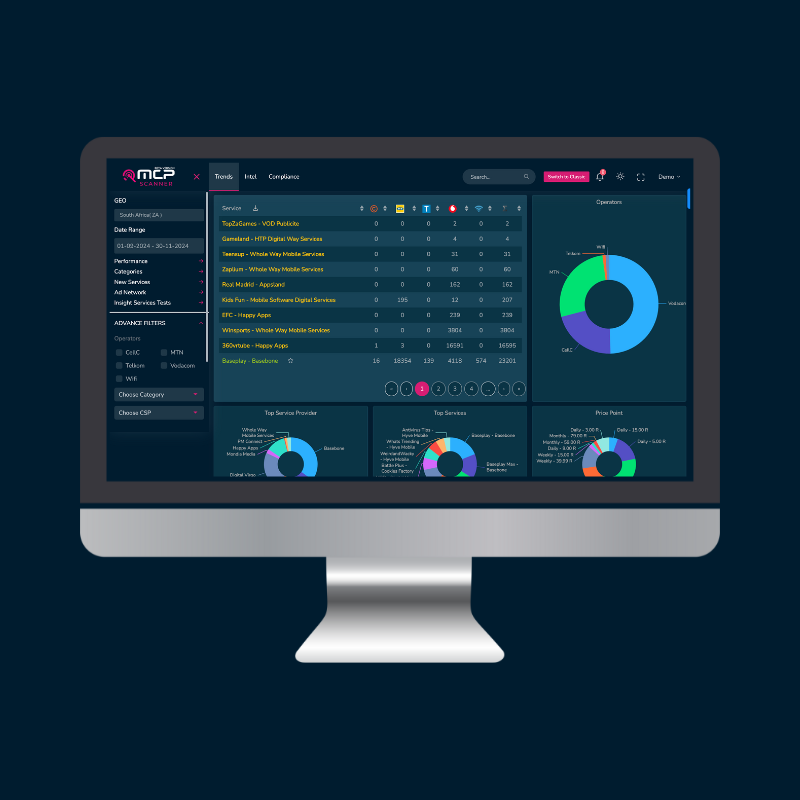
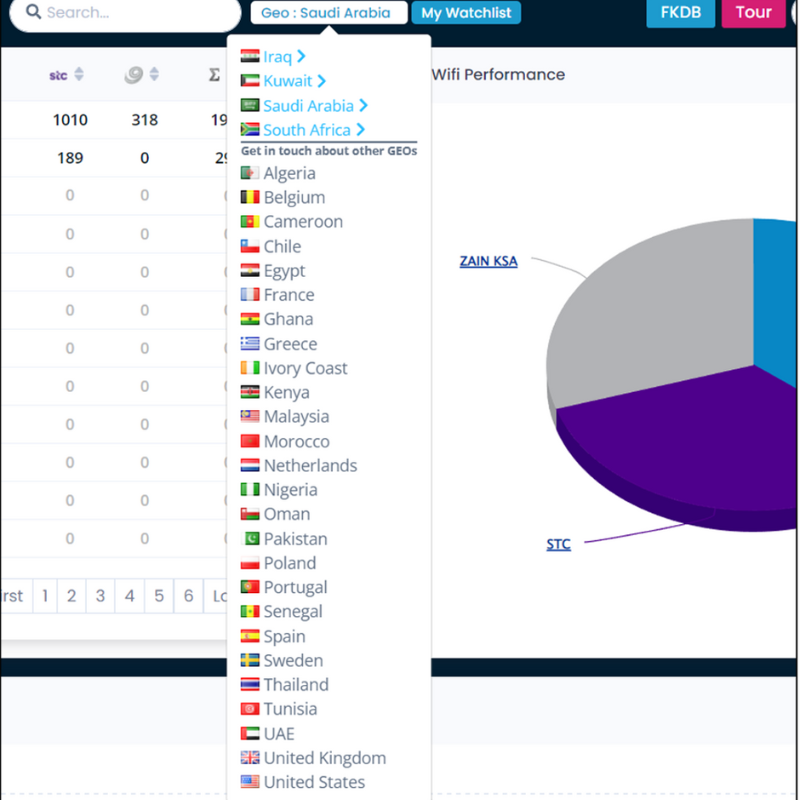
For CSPs entering the market, pricing visibility is critical. MCP TRENDS (our market intel platform, powered by the MCP SCANNER) allows you to benchmark local rates, review monetisation flows, and understand how competitors are positioning their services.
DCB Market Growth and Regional Momentum
Malaysia is part of the wider Asia-Pacific DCB boom, projected to grow from USD 49.3 billion in 2025 to USD 196 billion by 2037. Malaysia’s share is being fuelled by:
- Mobile-first behaviours
- Growth in mobile gaming and subscriptions
- Expanding digital payment infrastructure
For users without credit cards or digital wallets, DCB remains a fast, frictionless, and secure way to pay – making it an increasingly attractive option for both consumers and CSPs.
Aggregator Landscape: Who’s Active
A number of DCB and VAS aggregators are known to operate in or support Malaysia:
- Centili: A Tier-1 global provider with DCB capabilities in Malaysia
- Fortumo: Enables carrier billing via Digi and others
- LinkIT360 and mtouche: Local and regional players with VAS billing capabilities
These partners can help CSPs access key operator integrations and navigate onboarding requirements more easily.
Why Malaysia, Why Now?
The ingredients for success are all here:
- A compliant, mobile-first market with high smartphone penetration
- Operator billing infrastructure that supports flexible monetisation
- A population hungry for digital content
- Regulatory clarity that reduces go-to-market friction
Whether you’re expanding from a neighbouring Southeast Asian market or entering Asia for the first time, Malaysia offers a compelling launchpad.
Get the Full Picture with MCP TRENDS
At MCP Insight, we help CSPs stay ahead of the curve with live market intelligence, competitive benchmarking, and advertising visibility across global mVAS ecosystems.
Explore the latest Malaysia mVAS market data in our free downloadable report.
Download the Malaysia mVAS Market Report