
MCP working with Industry to stop children being exposed to inappropriate Premium Rate Service Advertising

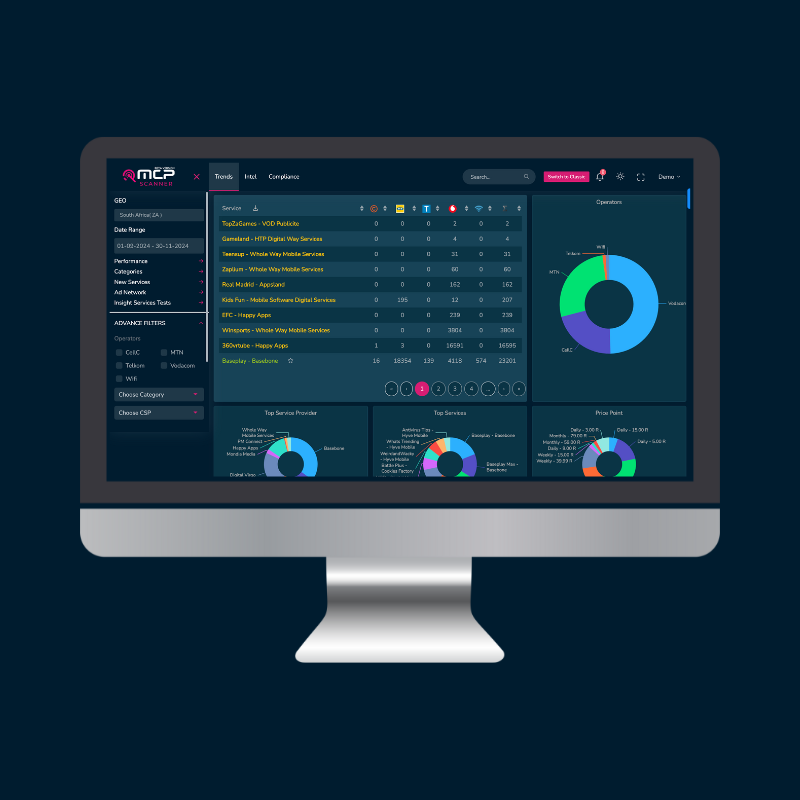
MCP is working with Industry, Network Operators and PSA to help advertisers manage their approach to inappropriate advertising in children’s digital channels. The focus is on efforts to apply best practice to control where ads appear – including PSA Guidance, ongoing monitoring and the application of ‘block lists’.

The generally held view is that Advertisers are not intentionally targeting children, as this is counter-productive and a waste of advertising budget. The main challenge for advertisers in exerting advertising control is that it is often not within their power to do so. Unless changes are made by the large direct-buy media platforms to help advertisers in this venture, ensuring 100% compliance is not a reasonable expectation.

PSA has made it clear, that as with age-restricted advertising, advertisers need to demonstrate they have robust processes around advertising placement.

MCP will join Industry, mobile operators and PSA at an EE hosted Roundtable meeting on
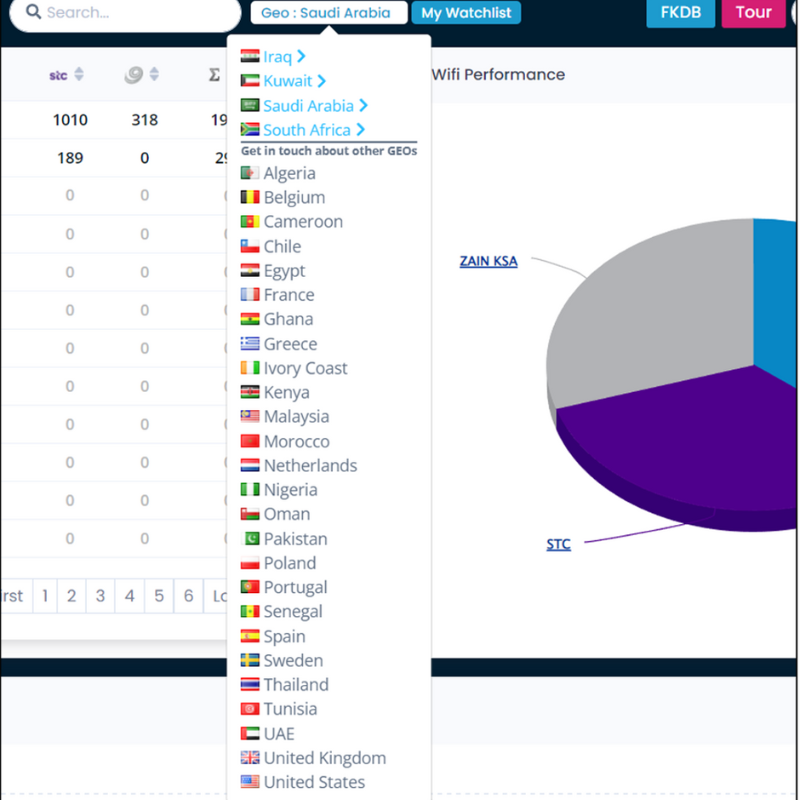
21st November to discuss the issue. MCP will present findings from monitoring the effectiveness of current advertising controls and give an update on progress made with the MCP Federated Kids Database (FKDB – a cross Industry shared list of kids apps and sites to support improved blocking).

For more information contact Declan Pettit : declan@mcpinsight.com

 

< Back

related posts

Why Pakistan’s Consent Directive Signals a New Era of Verifiable Mobile Services

PTA’s recent clarification on explicit prior consent for Value-Added Services marks an important step in the continued evolution of Pakistan’s mobile ecosystem. Consumer protection and sustainable operator revenue are not opposing objectives. They depend on each other. The practical question now facing the industry is not whether consent should be obtained, but how it can be clearly evidenced when disputes arise. As markets mature, the shift moves from policy to proof. Verifiable, structured consent recording is increasingly becoming part of the governance infrastructure that supports long-term stability across the value chain.


Germany’s mVAS and Mobile Payments Market: Why Discipline Is Creating the Next Opportunity

Germany’s mVAS and mobile payments market is often described as complex, heavily regulated, and difficult to enter. In reality, it has been deliberately reshaped. What looks restrictive from the outside is, in fact, a market that chose sustainability over short-term volume. For CSPs willing to operate with transparency, differentiation, and genuine consumer value, Germany is no longer a closed door. It is a proving ground for services built to last.


Self-Regulation in Mobile Payments: Why the Smartest Players Think Beyond Conversions 

Self-regulation is often seen as friction or self-imposed limitation. But in mobile payments markets facing growing scrutiny, it may be one of the few levers left to protect long-term growth. This article explores why thinking beyond conversions isn’t idealism, it’s market survival.