
Protect Your Customers and Business During Black Friday
Black Friday, known as White Friday in the Middle East, is a prime opportunity for both consumers and businesses, with mobile network operators (MNOs) seeing increased engagement in services that use Direct Carrier Billing (DCB). However, it’s also a time when unscrupulous and misleading advertising practices come to the forefront. A minority of content service providers (CSPs) and media agencies, take advantage of Black Friday hype, using deceptive tactics that harm not only consumers but also the entire DCB value chain.
Spotting the Red Flags: Misleading Black Friday Tactics
While most CSPs operate with integrity, there are a few rogue players who use misleading advertising to exploit the Black Friday rush.
Common tactics include:
- False Claims: Ads promising exclusive Black Friday deals or discounts that don’t exist.
- Misleading Redirects: Ads advertising one product with messaging around Black Friday, but leading consumers to a completely unrelated service.
- Prohibited Language: Terms like “free” are often used to mislead customers about the true cost or nature of services.
- Pressure Selling: Creating a false sense of urgency by suggesting that offers are time-limited, even when it’s not true.
- Misuse of Hashtags: Advertisers using hashtags like #BlackFriday in social posts without any real offer, creating a false association with the event.
These practices can result in complaints, regulatory scrutiny, fines, and serious brand damage for MNOs – far outweighing any short-term gains rogue advertisers may hope to achieve.
The Impact on Your Business and Customers
MNOs risk seeing a spike in consumer complaints and refund requests when these deceptive practices occur. Worse still, regulators often take notice, especially when consumers are being misled en masse. This can lead to increased scrutiny, fines, and potential restrictions on DCB services. In the long term, brand damage caused by poor consumer experiences can erode trust in DCB as a payment method, stifling growth opportunities.
A Robust Value Chain with Great Opportunities
Despite these challenges, DCB remains a safe, scalable, and highly effective way to drive additional revenue. The majority of CSPs offer valuable and compliant services that can benefit both customers and operators. By taking a proactive approach to monitoring and compliance, MNOs can capitalise on DCB’s growth potential while minimising risk.
MCP Insight offers a comprehensive solution with MCP NET, designed to help MNOs navigate and prevent these issues. Our service provides:
Onboarding and Testing: We ensure that new services meet compliance requirements before they’re launched, safeguarding both your business and consumers from the outset.
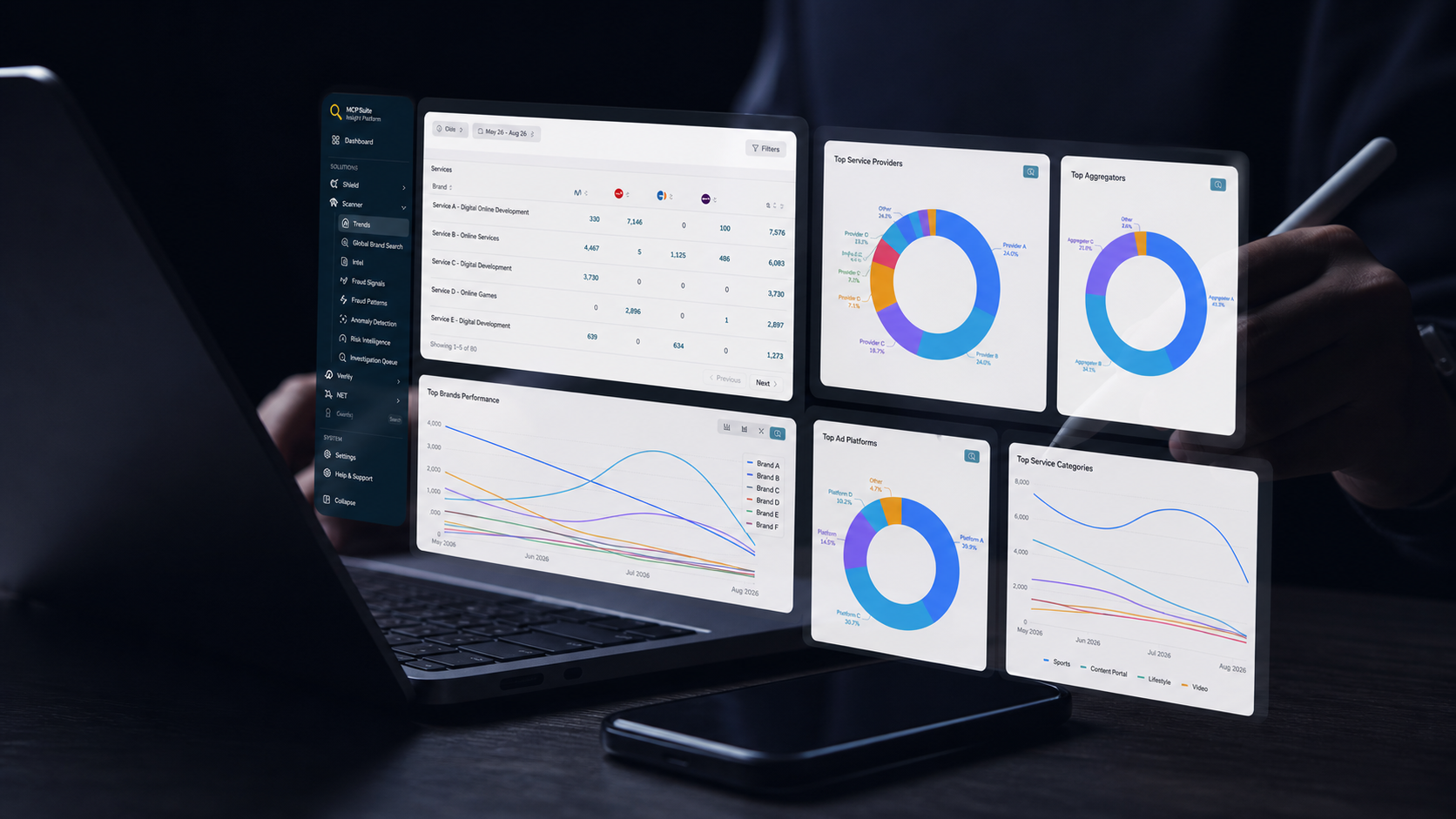
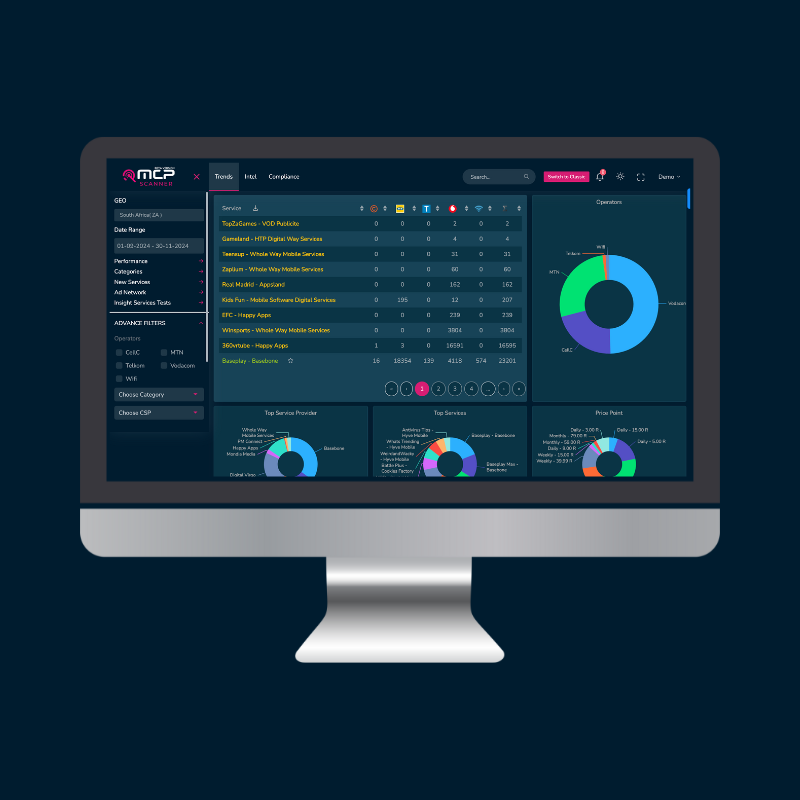
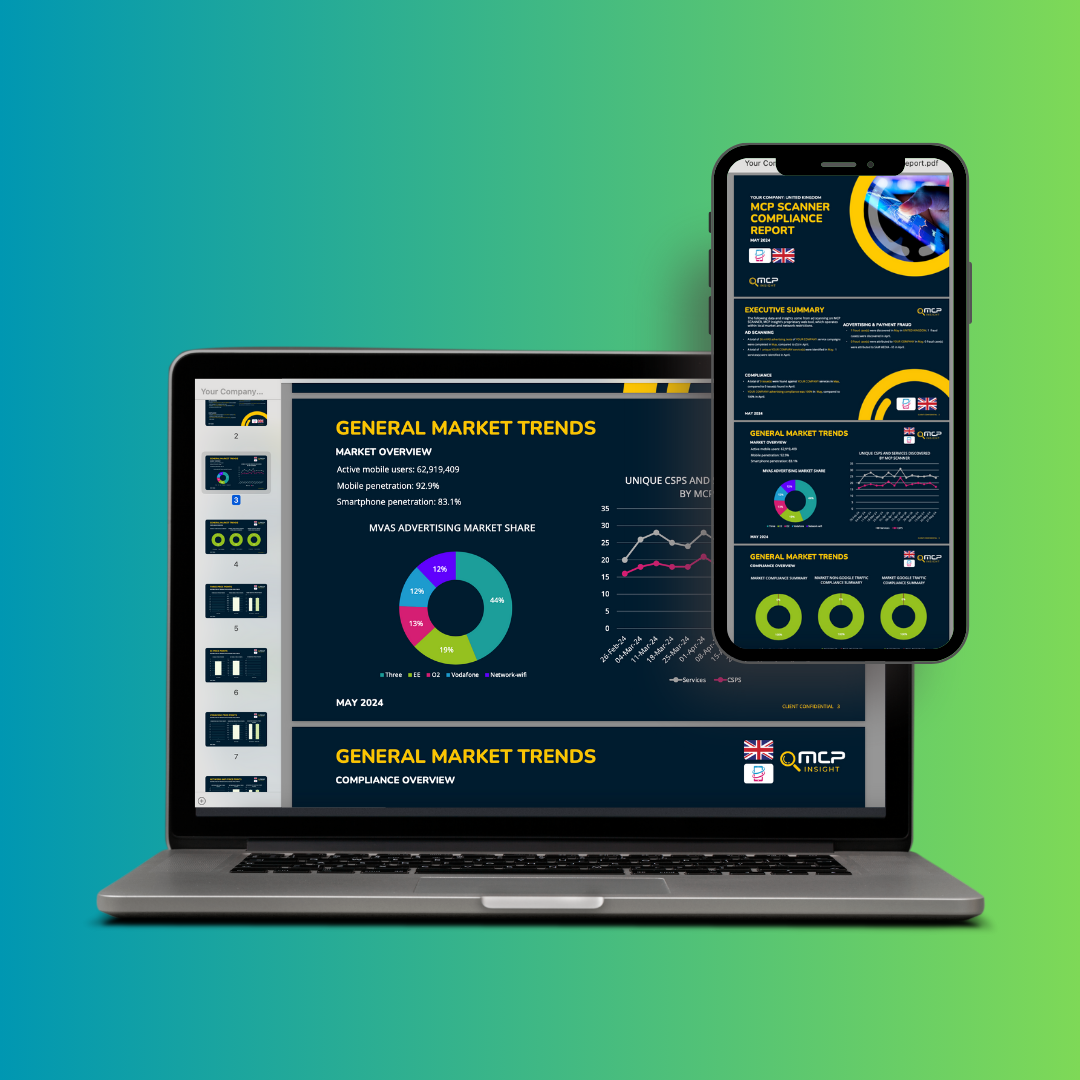
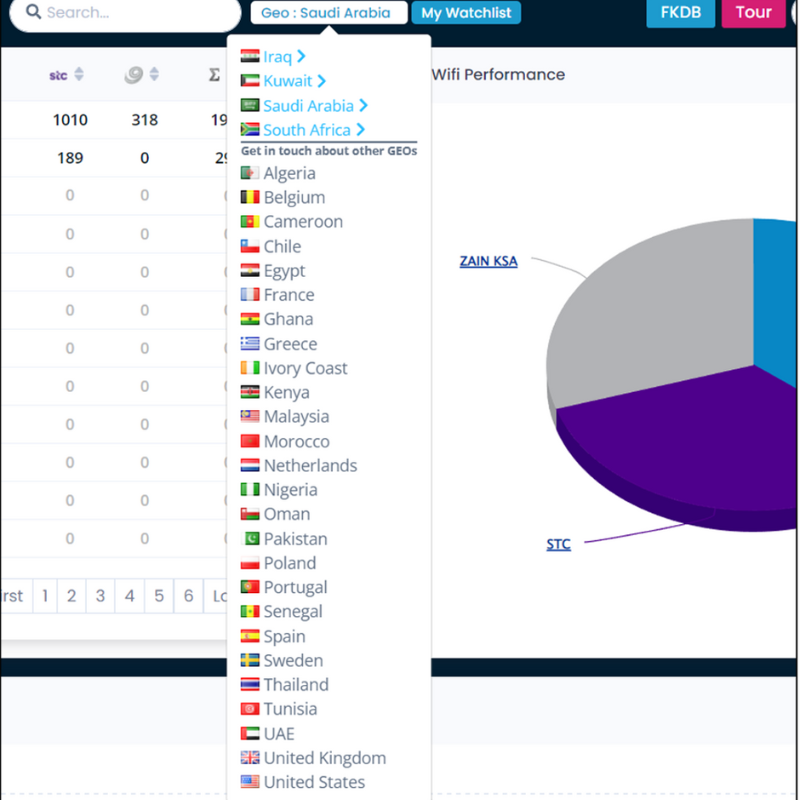
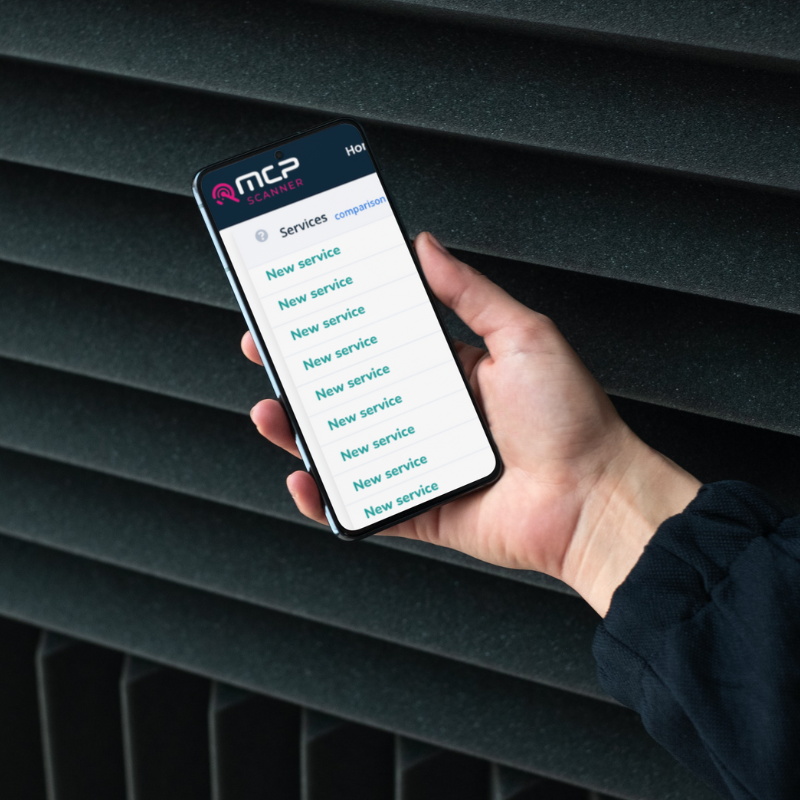
Ongoing Monitoring: Powered by our market-leading mVAS ad monitoring platform, MCP SCANNER, we continuously monitor all services being advertised via your network, identifying any potential non-compliance, such as misleading ads, content locking, or advertising for a different product.
Escalation and Resolution: If issues are detected, we escalate them quickly and efficiently, preventing them from causing widespread damage.
With MCP NET, MNOs can ensure that the DCB ecosystem remains robust, compliant, and sustainable. We’re committed to helping operators grow their revenue safely, and by partnering with us, you can mitigate the risks posed by rogue advertisers.
Ensuring a Safe and Profitable Black Friday
As we approach Black Friday, it’s critical for MNOs to remain vigilant against unscrupulous advertising practices. By working with trusted partners like MCP Insight, you can protect your customers, maintain regulatory compliance, and grow your DCB business sustainably.
Get in touch if you’d like to discuss any of the topics shared in this article.