
Real-Time Auto Alerts for Inappropriate Ad Placements on Adult Sites

We are pleased to announce that for our MCPScanner clients, we now offer a complimentary service to alert you in real-time when we discover your ads in inappropriate Adult environments.

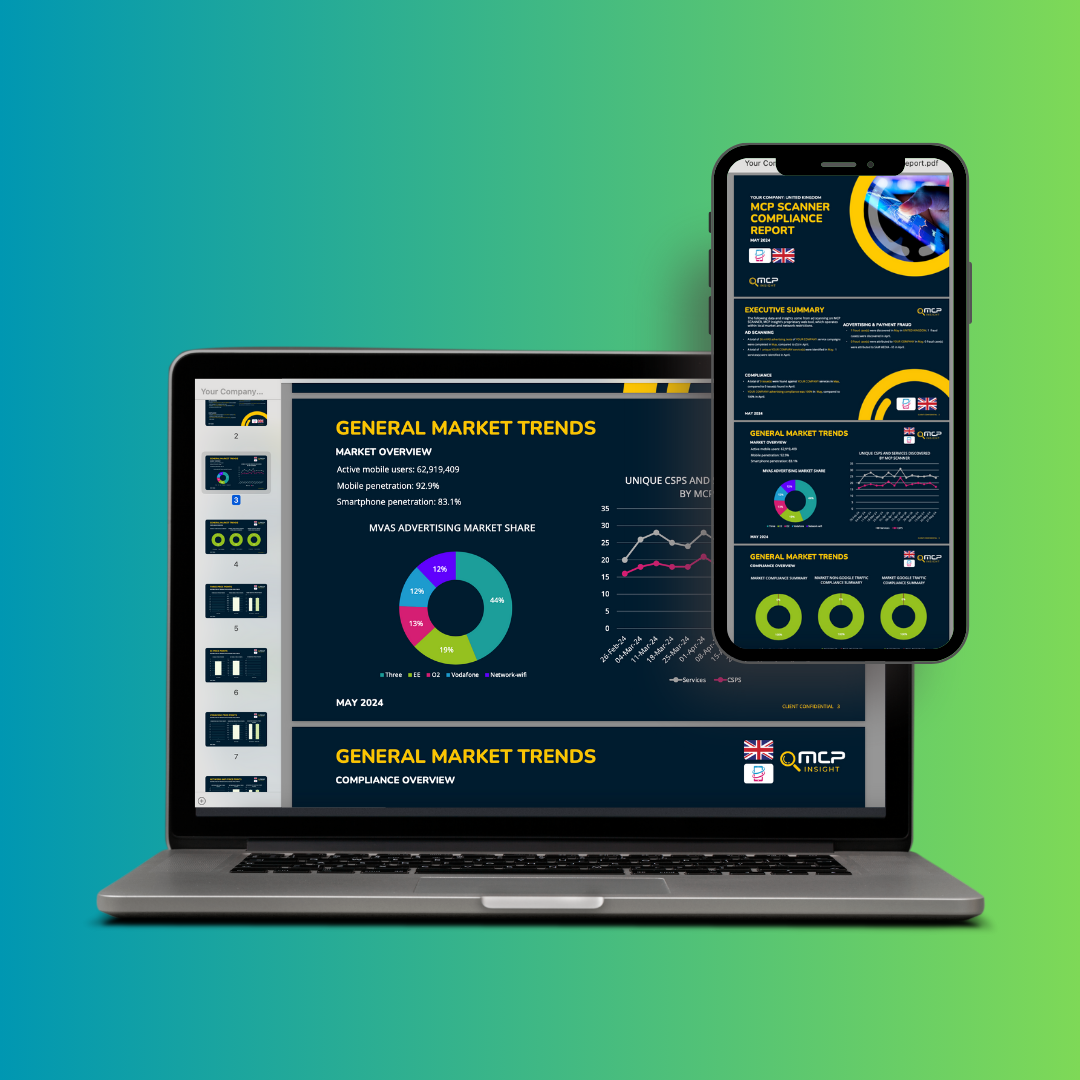
MCP Insight scans advertising and alerts clients when inappropriate advertising is discovered on any channel. We know that any delay in dealing with these issues continues to pose a compliance risk to our clients in certain markets. By moving to state of the art, real-time auto-alerts, clients can now act faster to protect consumers from inappropriate advertising and limit their compliance risk exposure. We are also developing a similar alert service for ads appearing in Kids environments – watch this space!

Please get in touch if you are interested in using our alert services for your advertising.

Thomas@mcpinsight.com

related posts

Telemedia Johannesburg

Most services are onboarded correctly. The challenge is what happens after they go live. As campaigns evolve and new services are introduced, it becomes harder to maintain a clear view of how user journeys are actually presented and experienced in market. We’ve been working closely with WASPA to build that picture in South Africa. If you’re attending Telemedia Johannesburg, we’d welcome the opportunity to compare perspectives.


Bangladesh’s mVAS Market 

Bangladesh’s mVAS market is growing fast, but it’s not as straightforward as it looks. Strong demand, a young mobile-first audience, and widespread use of carrier billing make it an attractive opportunity for CSPs. Yet beneath the surface, operator dynamics, billing flows, and compliance realities create a more complex landscape. This article explores what’s really happening in-market, and why visibility is becoming the deciding factor between scaling successfully and wasting budget.

The End of Header Enrichment?

Google’s move to HTTPS-only browsing will fundamentally change how Direct Carrier Billing works. As Header Enrichment becomes unreliable, the industry faces a shift towards new identity models, increased friction, and evolving fraud risks.