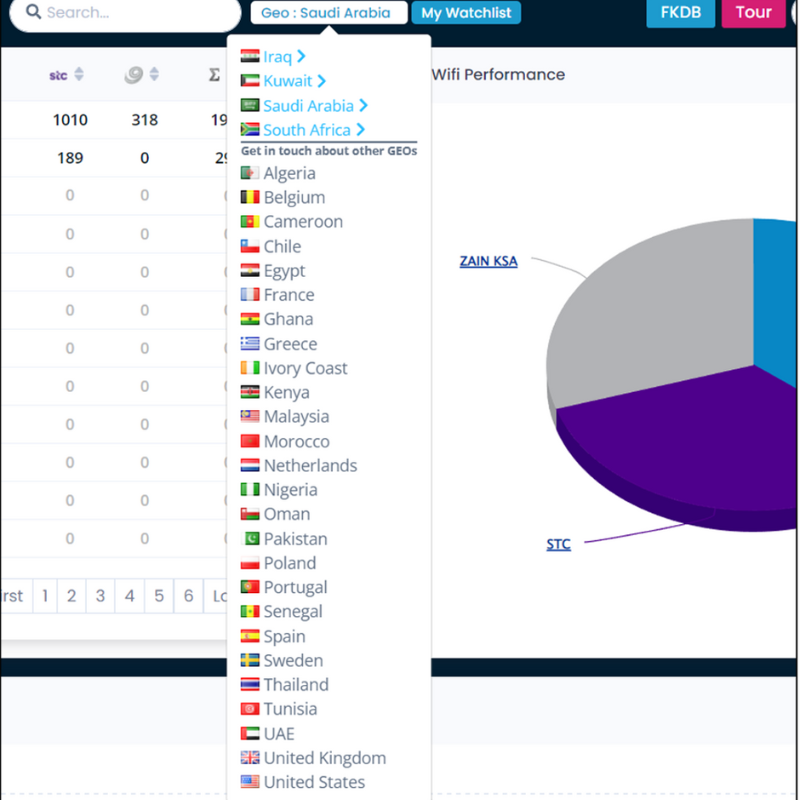

MCP announce the release of their updated Federated Kids Database (version 2.0) – to help Advertisers block inappropriate advertising in children’s digital channels uploaded so far.
The protection of children in the digital environment remains very high on political agendas worldwide and Regulators/Network Operators are well aware of the need for extra diligence wherever children are exposed. FKDB was developed not only to limit children’s exposure to inappropriate ads, but also to limit the Advertiser’s exposure to these channels (e.g. In-app, kids’ videos on YouTube…) as their advertising budgets are being wasted on this fallow ground.
Despite various controls in place, keeping ads out of these channels is not an exact science and some slip through the net. Generally, the Publisher/App owner’s category selection to block Ads is not good enough…. and even though some advertisers run their own small blacklists, these are proving insufficient to combat the problem.
From a fraud viewpoint, this is double jeopardy as fraudsters target kids’ environments because;
- They are more susceptible to fraud
- Kids are mainly looking for games and as revenue in the games sector is massive, fraud opportunities are massive as well
Just look at the recent media headlines regarding gambling companies targeting kids…
MCP Solution:
At MCP, we are collaborating with industry leaders, our clients and partners across territories, to develop a shared repository of Kids apps and sites which our clients can use to support the blocking of inappropriate advertising to children.
It is in the interests of everyone involved that any partner joining FKDB supplies MCP with their list of kids’ apps/sites so that the database continues to grow. Each one supplied by our partners is reviewed against set criteria to determine whether it can be classified as aimed at ‘kids’ and to confirm that the app/site is live.
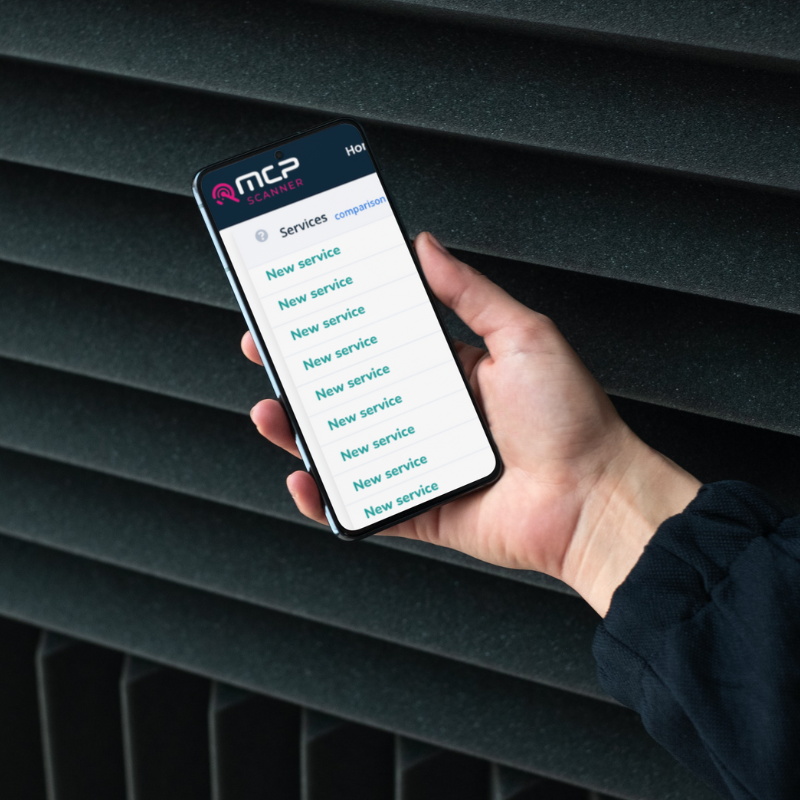
Additionally, MCP’s FKDB team will continue to add new kids’ apps to the federated database as they are published. Finally, MCP is also making available an alert service to notify members of new apps/sites published.
This international collaboration will continue to grow, building a bigger and increasingly intuitive database to help Advertisers to block apps and sites.
To join the FKDB or if you have any questions regarding the initiative, its objectives or how it operates, please contact