
London 17/03/2022 – Leading advertising fraud monitoring provider, MCP Insight, has revealed that in the past weeks its advertising monitoring has picked up the emergence of shameless attempts to capitalise on the public’s empathy for the plight of the citizens of Ukraine.
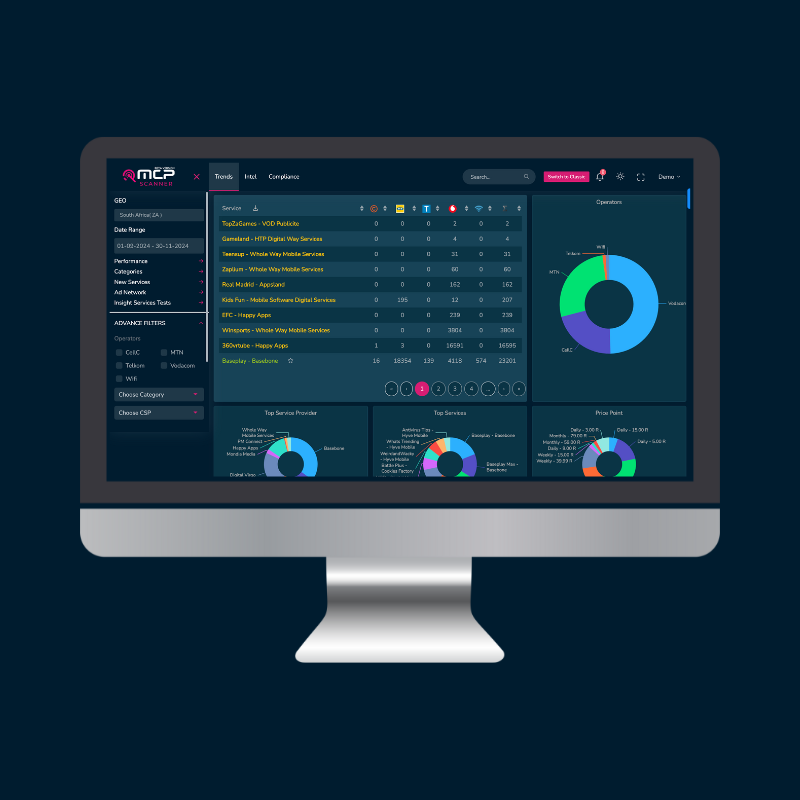
Soon after the Russian invasion, the MCP SCANNER monitoring tool began identifying emotive banner adverts, such as the need for a ‘Ukrainian No Fly Zone’, appearing on random websites.
Members of the public clicking these adverts found themselves then redirected to Adult (pornographic) content websites, and not to the balanced information sources or charity pages which the web user might reasonably expect.
These particular adverts, run by third-party affiliate marketers, are the latest in a trend of misleading – and in some cases fraudulent – adverts being picked up worldwide by MCP’s scanning tool.
Commenting on the finds, MCP’s Head of Compliance, David Ashman, said:
“Companies or individuals seeking to gain commercial advantage by misleading the vulnerable consumer is a sad reality of the digital age; however, with the lives of women, children and everyday citizens being lost in Ukraine, this new style of sickly targeted advertising scrapes the very bottom of the moral barrel”
Without use of tools, such as MCPs Scanner, mainstream brands paying for referral traffic are often blind to the techniques and messages that certain Affiliates use to encourage user clicks through to the brand website.
The scope of potential harm extends not only to those consumers being misled, or children potentially being exposed to sexual content; charities also suffer when their legitimate calls for help are priced out of the market.
These nefarious advertising practices are being brought into sharp focus with the UK Government’s Online Safety Bill.
The Bill will place a greater duty of care on companies and brands to understand the entire consumer journey and increase the controls and protections to identify and block these inappropriate traffic sources.
MCP’s Founder, Toby Padgham commented:
“There is far more companies could be doing, voluntarily, to clean up the internet. Whilst we welcome the aims of the Online Safety Bill, the need for prescriptive regulation could have been prevented. We encourage big brands to utilise the tools already available to them to better self-police the leads and referrals they receive, as this will lead to the best outcome both for consumer and the Brand’s reputation”
MCP Insight is an anti-fraud & compliance solutions provider, with operations across Europe, Asia, Africa and the Middle East.