
In the face of growing complaints, Vodacom continues to decline carte blanche WASP blocks.
Their point being that overall, Content Provider services are compliant and more importantly, Vodacom’s payment platform continues to meet growing consumer demand as a convenient way to purchase services – especially where consumers do not have credit cards.
Nevertheless, they outlined a zero-tolerance approach to fraudulent activity. In addition to their commitment to suspend non-compliant services – together with their ongoing improvements to consumer billing confirmation processes, Vodacom confirmed they were curtailing new activations until WASPs were able to prove they had implemented a suitable mechanism to validate consumer subscriptions.
Vodacom has now introduced a Network Initiated (NI) USSD payment flow, with limits on how many times a single MSISDN can be billed in a day. Other recent changes in the VAS and Direct Carrier Billing landscape in South Africa would suggest that Vodacom are not alone in this hard-line approach.
MTN is mandating that WASPs must implement a recognised fraud solution by the beginning of June 2018 and there are further indications too that they are taking an assertive stance against services that are not applying appropriate measures to combat fraud. MTN has quietly introduced an additional confirmation page on their Token-Based Billing Flow (which seems to have initially led to a drop in fraud traffic but also legitimate traffic) and there has also been talk of MTN considering a monthly cap, per MSISDN.
Meanwhile, Cell C has also introduced NI USSD for certain traffic flows.
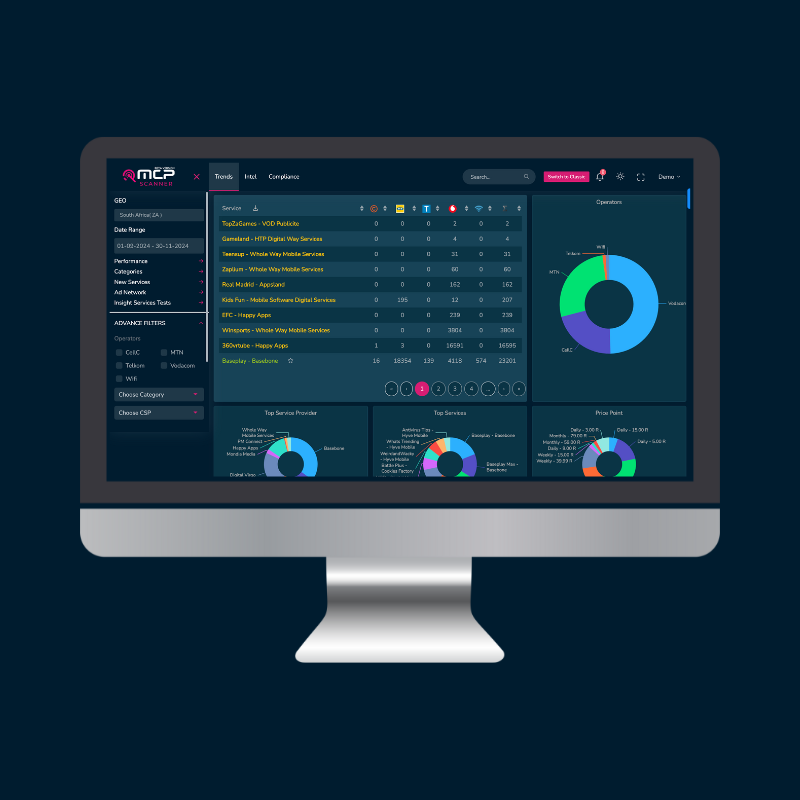
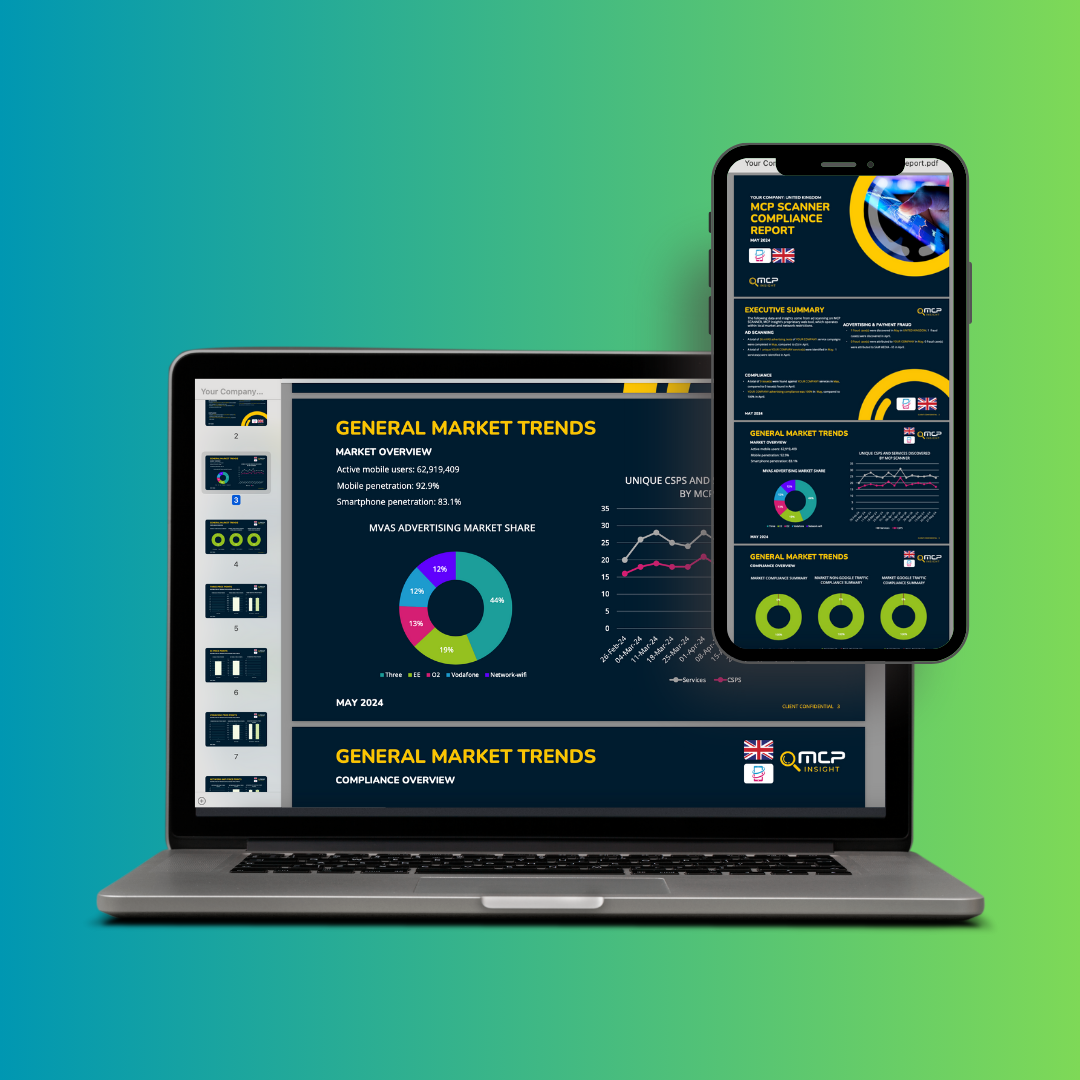
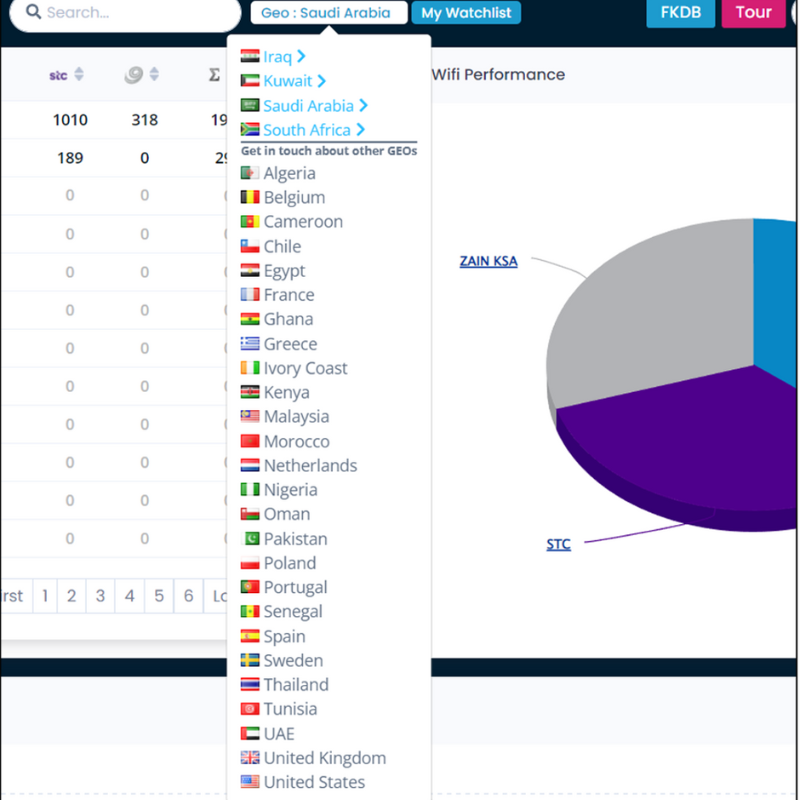
The ongoing issues experienced in South Africa are not new and really do require cross Industry participation to help resolve. There is no one quick fix solution. MCP Insight continues to work with clients and partners in the South African market and has recently added a fraud monitoring and block solution to its portfolio of compliance management tools.
Contact Declan Pettit for further information Declan@mcpinsight.com